
organization
G.A.P. — cattle welfare programme
Global Animal Partnership’s tiered cattle-welfare standards. This profile covers beef; lamb and bison have separate rules.
- About
- Animal-welfare certification with different requirements by species and tier. The connected products carry a selected G.A.P. beef certification claim.
- Practices
- Cattle tiers include Steps 1, 2, 4, 5 and 5+. There is no cattle Step 3. Higher tiers add requirements; the exact product’s listed tier matters.
Beef pasture requirements
For cattle, Steps 1–2 require at least two-thirds of life on pasture or range when conditions permit. Step 4 requires at least three-quarters, with welfare and weather exceptions.
The tiers provide meaningful pasture requirements, while allowing specified time off pasture. They do not promise continuous grazing.
Step 1–2 finishing can occur off pasture; outdoor access remains required.
A generic G.A.P. claim does not establish a specific higher tier.
Sources
G.A.P. cattle standards v1.2, section 7
G.A.P. cattle v1.2 — section 7
G.A.P. April 2020 policy manual — cattle Appendix F
Checked 2026-10-16
Welfare certification allows grain
G.A.P. cattle welfare certification allows grain feeding. Its feed rules require suitable nutrition and fibrous feed; a grass-fed or non-GMO claim needs separate support.
Pasture access and lifetime forage feeding are different practices. This programme alone does not establish grass finishing.
This permission does not establish that a particular certified animal received grain.
Separate organic or grass-fed product claims retain their own meaning.
Procedures vary by cattle tier
Steps 1–4 permit castration and disbudding under specified conditions. Step 5 prohibits those procedures. A Step 4 label does not mean no physical alterations.
The difference matters when comparing welfare tiers; permission for a procedure is separate from proof it occurred.
No supplying animal’s procedure or pain-control record is assigned here.
Older policy-manual pain-relief language differs from the newer cattle text; this profile makes no claim of a current exemption or actual lack of pain relief.
Sources
G.A.P. cattle standards v1.2, section 5
G.A.P. cattle v1.2 — sections 5.5–5.6
Checked 2026-10-16
The lowest certified stage sets the label
The cattle programme requires individual animal identification and location history. Certification across production stages uses the lowest certified stage for the retail tier.
Animals can move through several certified farms or stages. The label does not mean the animal spent its whole life on one farm.
These are traceability requirements, not a public farm list or a recovered journey for the shopper’s package.
Sources
G.A.P. cattle v1.2 and April 2020 policy manual, section 9
G.A.P. cattle v1.2 — section 5.3
G.A.P. policy manual — section 9, printed pages 46–47
Checked 2026-10-16
Audits and corrective action
Certification uses farm audits, review and corrective-action procedures. The programme label does not show the supplying farm’s audit findings or correction records.
Auditing is an oversight mechanism. A certificate and an individual farm’s performance are different evidence.
The landing page describes annual audits; the linked 2020 manual describes a 15-month cycle. No actual cadence is assigned to an unidentified farm.
No current supplying-farm audit, corrective-action outcome or residue assay is supplied by this profile.
Sources
G.A.P. cattle programme page and April 2020 policy manual
G.A.P. — cattle programme and audits
G.A.P. policy manual — auditor, reviewer and corrective-action roles
Checked 2026-10-16
Certified rest-depot transport
G.A.P. permits qualified cattle journeys through certified rest depots. These arrangements have separate journey, rest and record requirements; the ordinary transport limit is not a universal whole-route ceiling.
Rest depots provide rest resources and access for remote operations. Permission for a route does not establish that a linked product used it.
The rest standard contains differing combined-duration statements and a separate rare double-depot route. No single unconditional maximum is assigned here.
No actual journey, depot, duration or transport outcome is allocated to a package.
Sources
G.A.P. cattle standards and Beef Cattle Rest Depot v2.0, issued October 2025
G.A.P. cattle v1.2 — section 10
G.A.P. rest-depot v2.0 — programme overview and sections 2.B–2.C
Checked 2026-10-16
Humane World left the board in 2025
Humane World for Animals announced its departure from G.A.P.’s board in October 2025, citing concerns about programme direction and the pace of improvement. It also acknowledged past welfare progress.
This is a former board member’s criticism of programme direction, alongside its account of progress. It is relevant governance context.
The statement does not establish a violation at a supplying cattle farm or a finding against any linked product.
It describes this organisation’s departure, not the departure of every welfare group.
Sources
Humane World for Animals — October 22, 2025 statement
Humane World for Animals — update on G.A.P. involvement, October 22, 2025
Checked 2026-10-22
Researched October 22, 2026
THE FOOD DIRECTORY
Related foods
Products connected to this business or brand. Details can differ by product; a connection does not confirm the maker of your package.
298 foods
Compare foods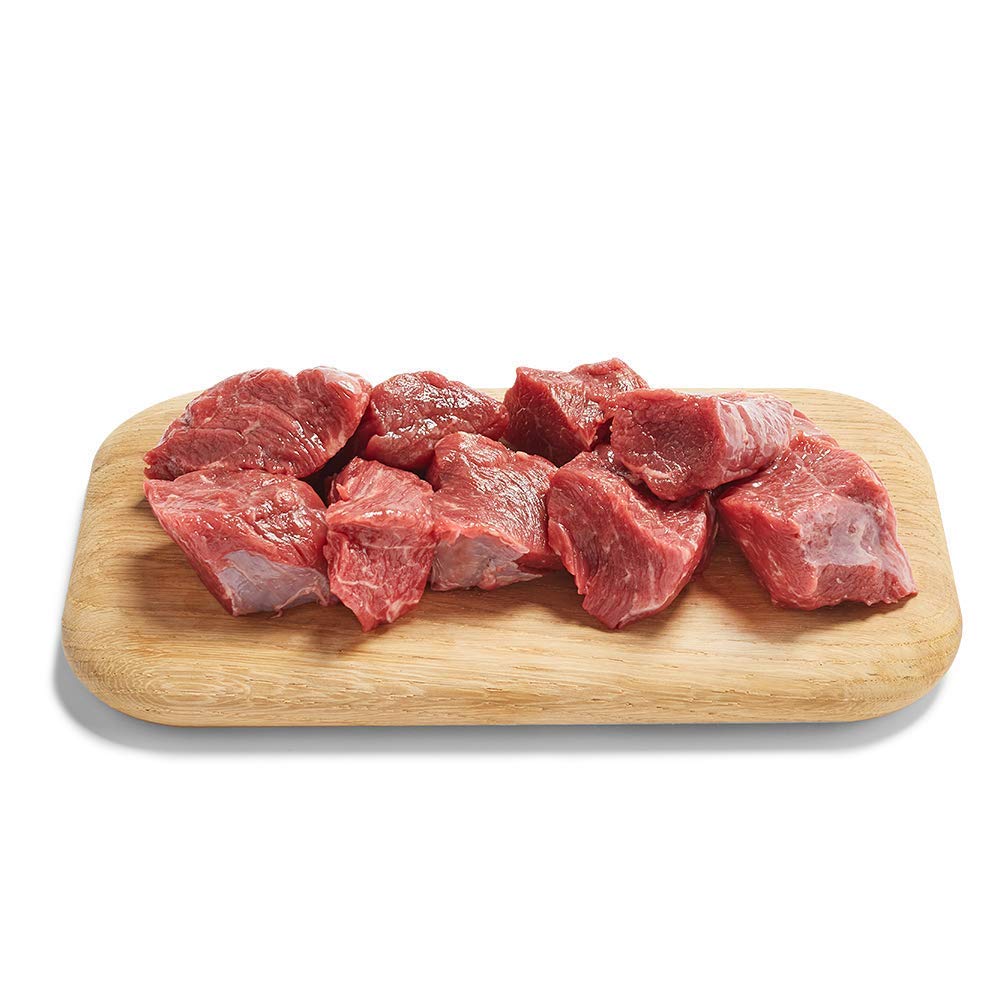
Beef Round Stew Meat
- Likely grain finished
- Likely grain finished
- Origin
- Not specified
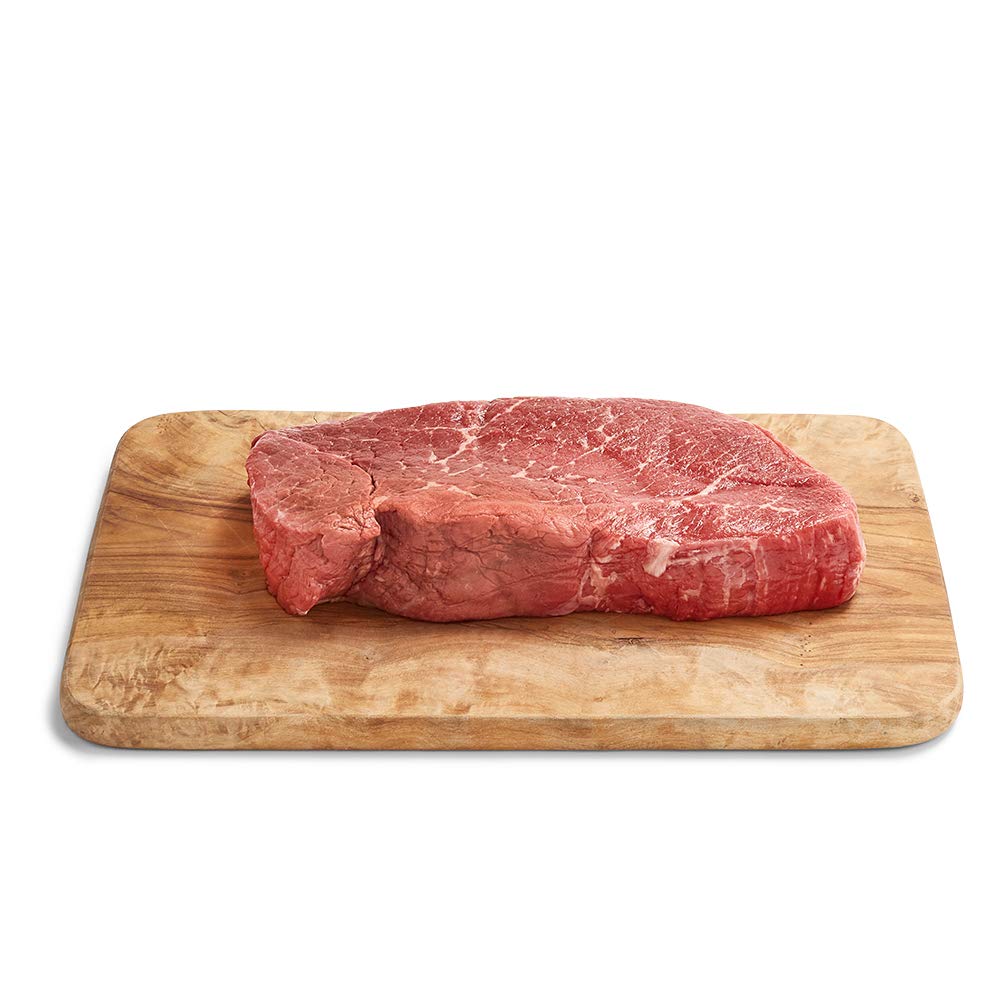
Beef Top Round Roast
- Likely grain finished
- Likely grain finished
- Origin
- Not specified
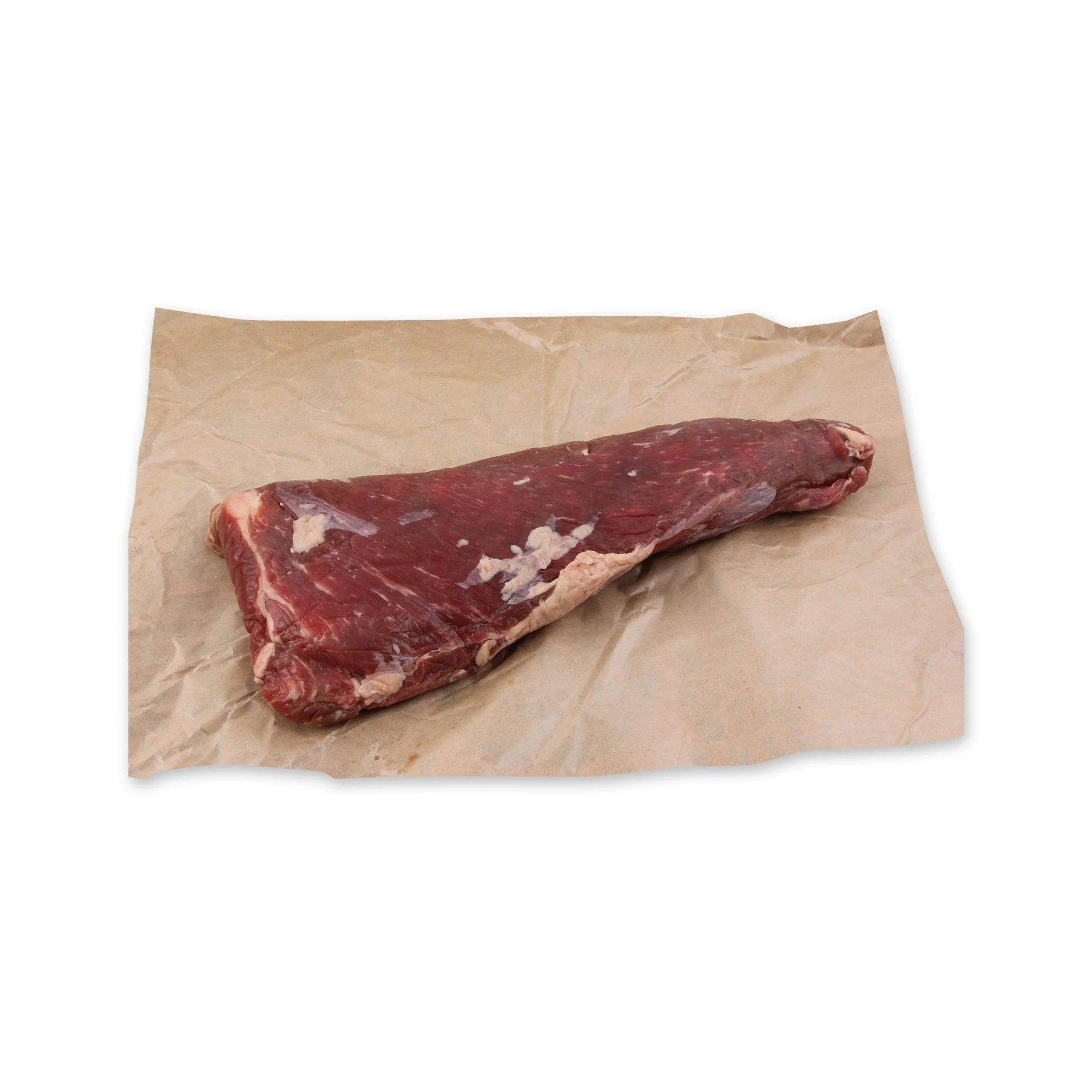
Beef Tri-Tip Roast
- Likely grain finished
- Likely grain finished
- Origin
- Not specified
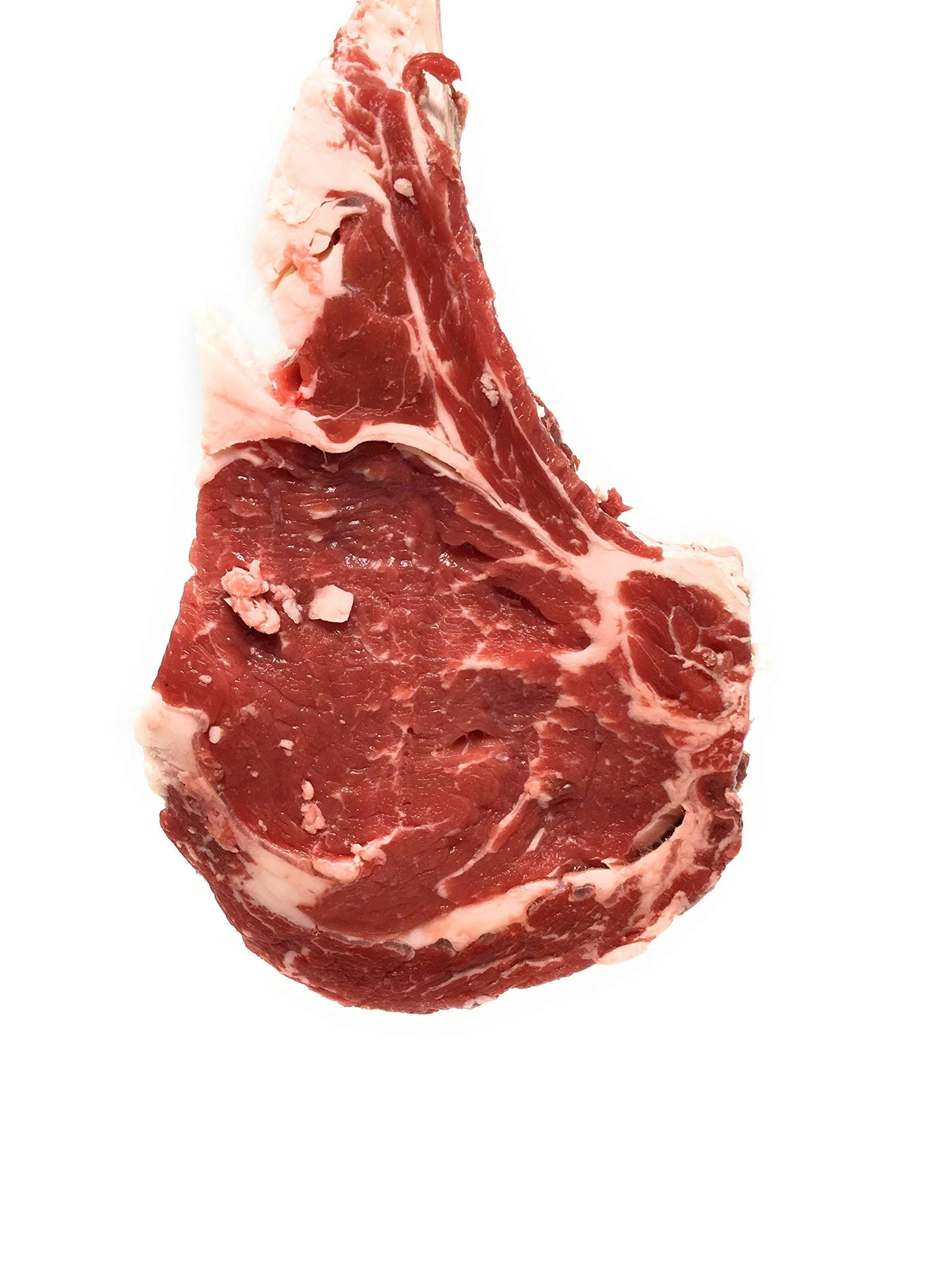
Bone In Beef Tomahawk Ribeye Steak
- Likely grain finished
- Likely grain finished
- Origin
- Not specified
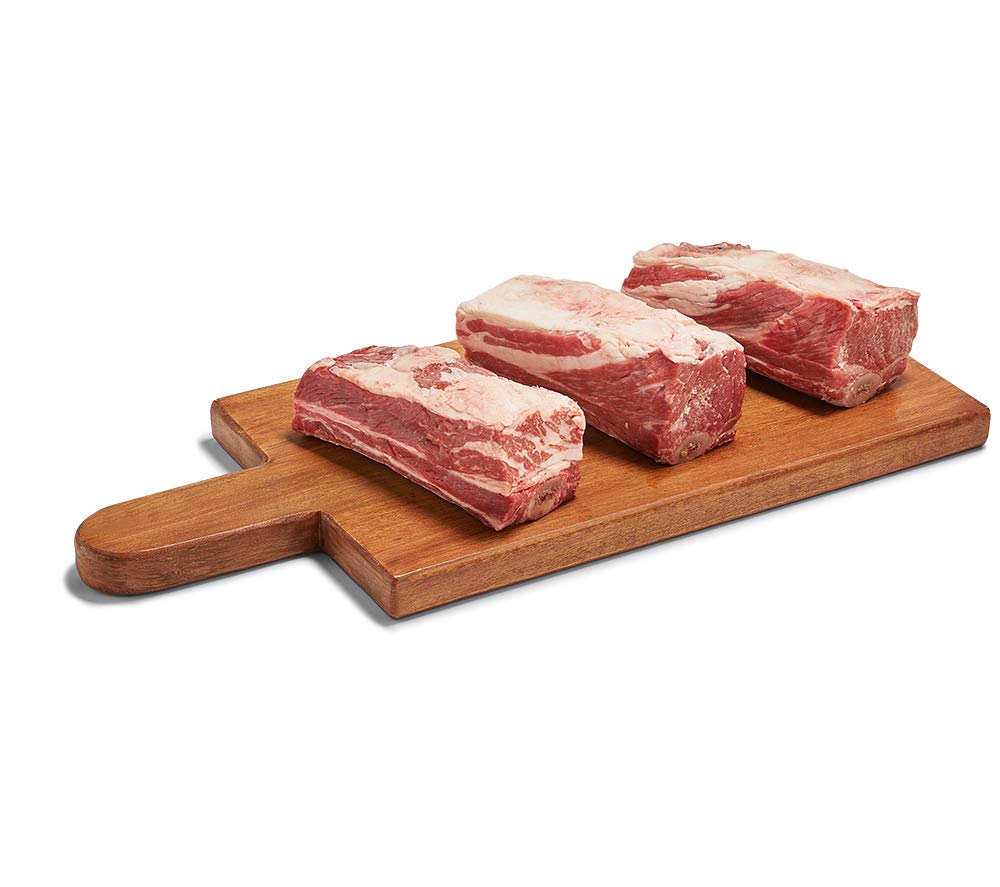
Boneless Beef Short Ribs
- Likely grain finished
- Likely grain finished
- Origin
- Not specified
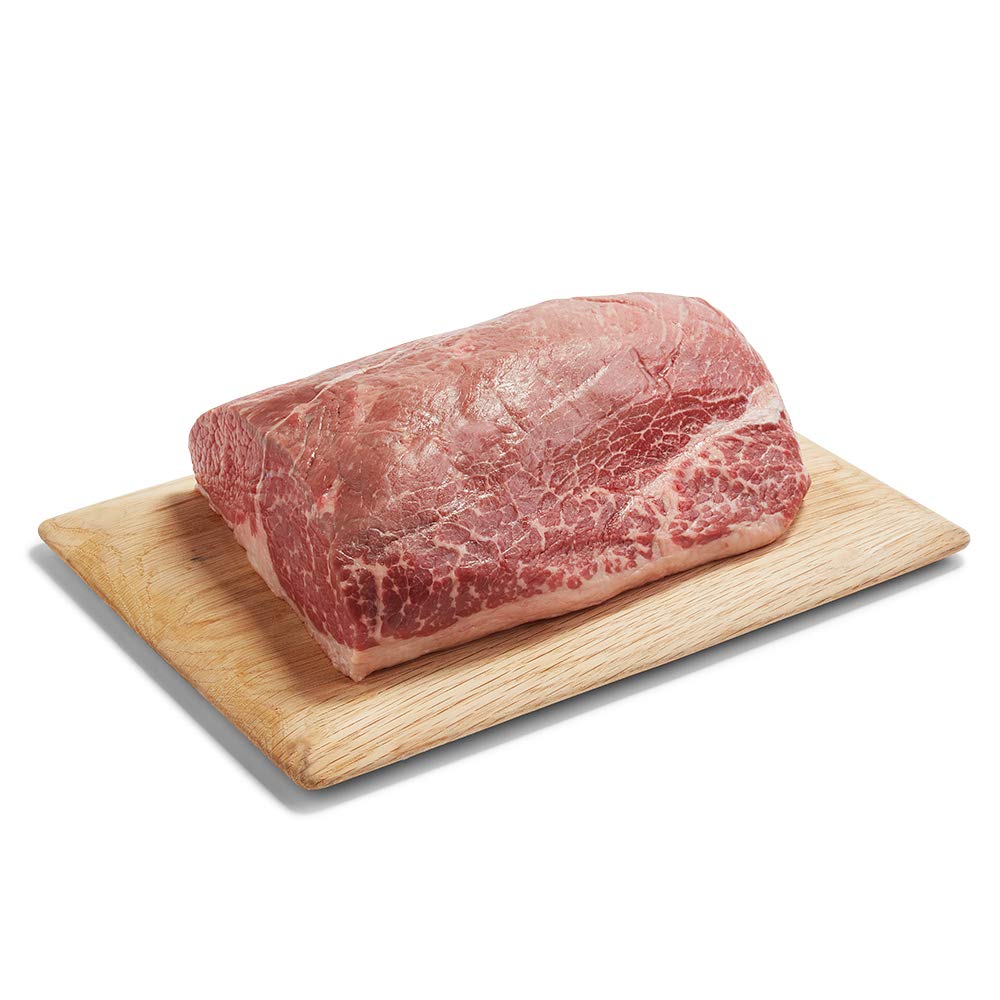
Hawaii Big Island Beef
Hawaii Big Island Beef Bottom Round Rump Roast
- Likely 100% grass-fed
- Likely 100% grass-fed
- Raising origin
- Likely raised in Hawaii
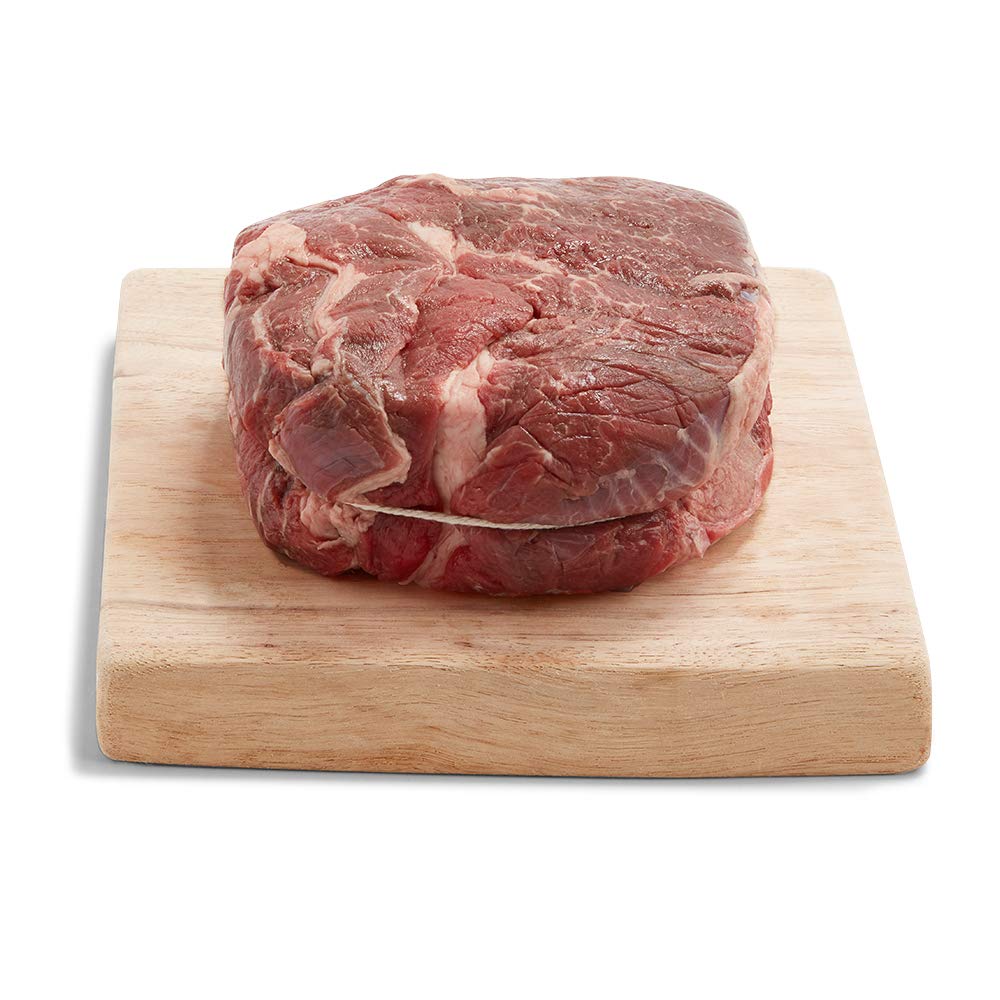
Hawaii Big Island Beef
Hawaii Big Island Beef Chuck Roast
- Likely 100% grass-fed
- Likely 100% grass-fed
- Raising origin
- Likely raised in Hawaii
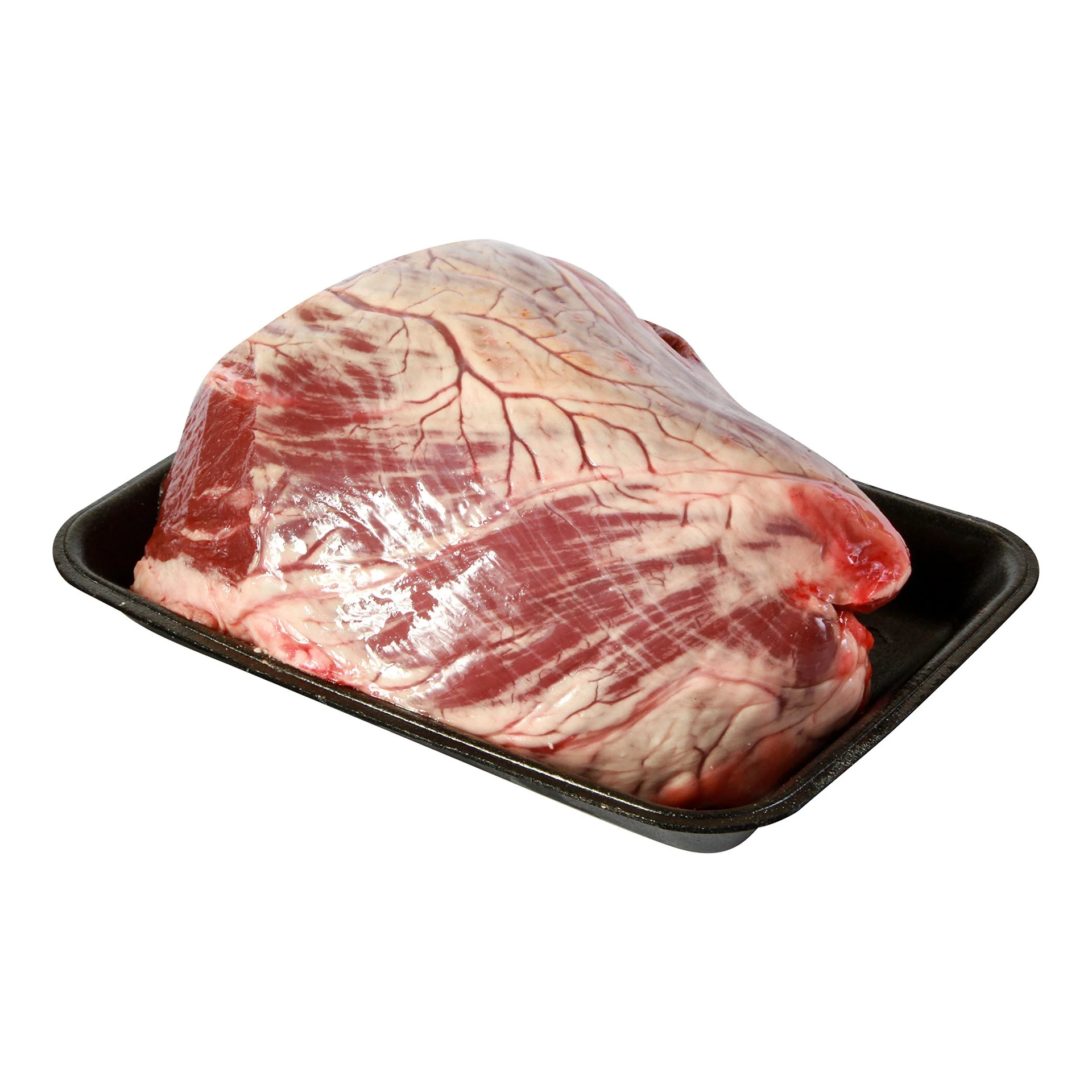
Hawaii Big Island Beef
Hawaii Big Island Beef Heart
- Likely 100% grass-fed
- Likely 100% grass-fed
- Raising origin
- Likely raised in Hawaii
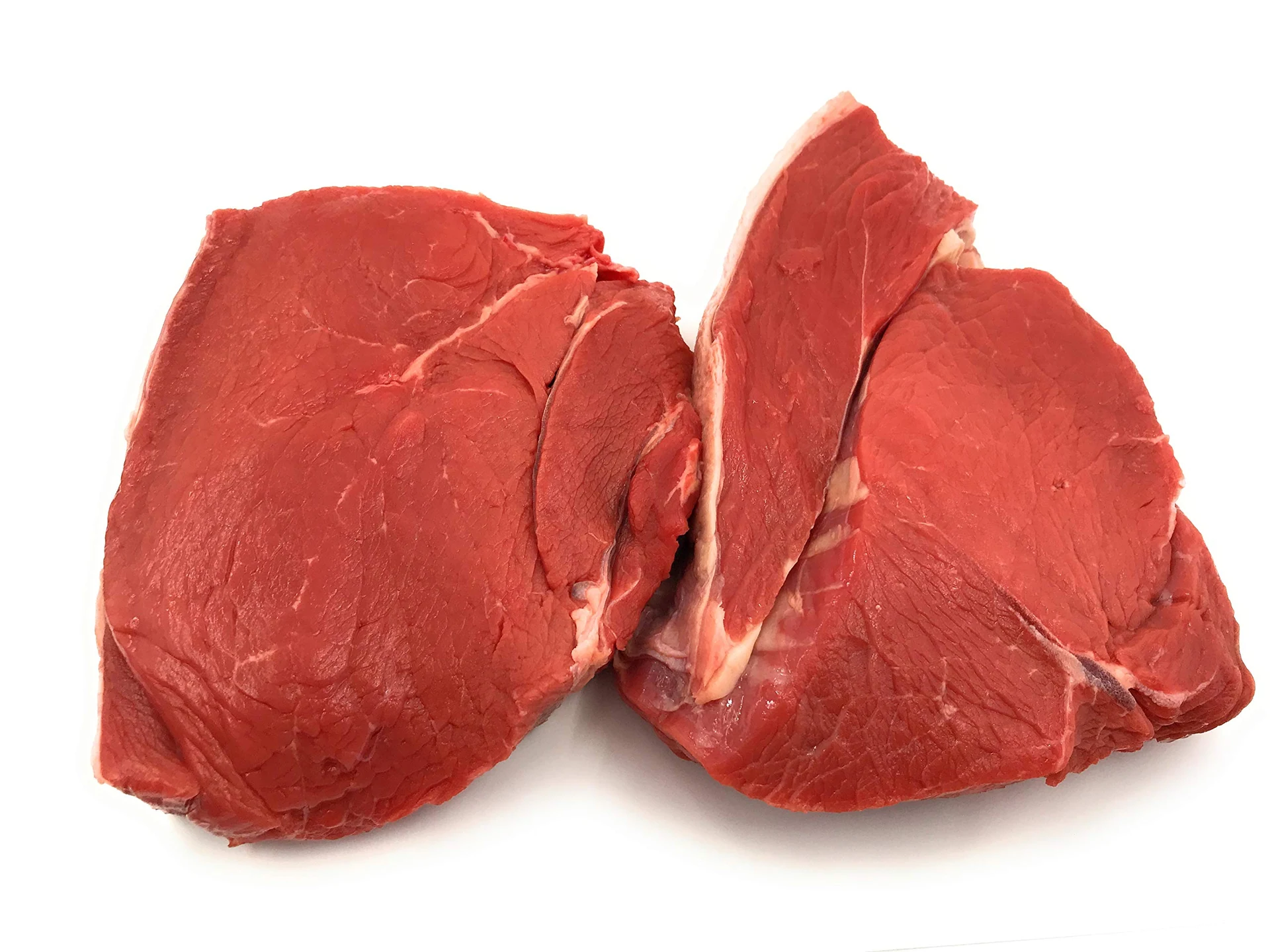
Hawaii Big Island Beef
Hawaii Big Island Beef Top Sirloin
- Grass-fed claim on pictured label
- 100% grass-fed on pictured label
- Origin
- United States
Silver Fern Farms
Silver Fern Farms Regenerative Grass-Fed Beef Stir Fry
- Feed and finishing
- 100% grass-fed
- Origin
- New Zealand
Catalog observations are dated and regional; this is not a live inventory.