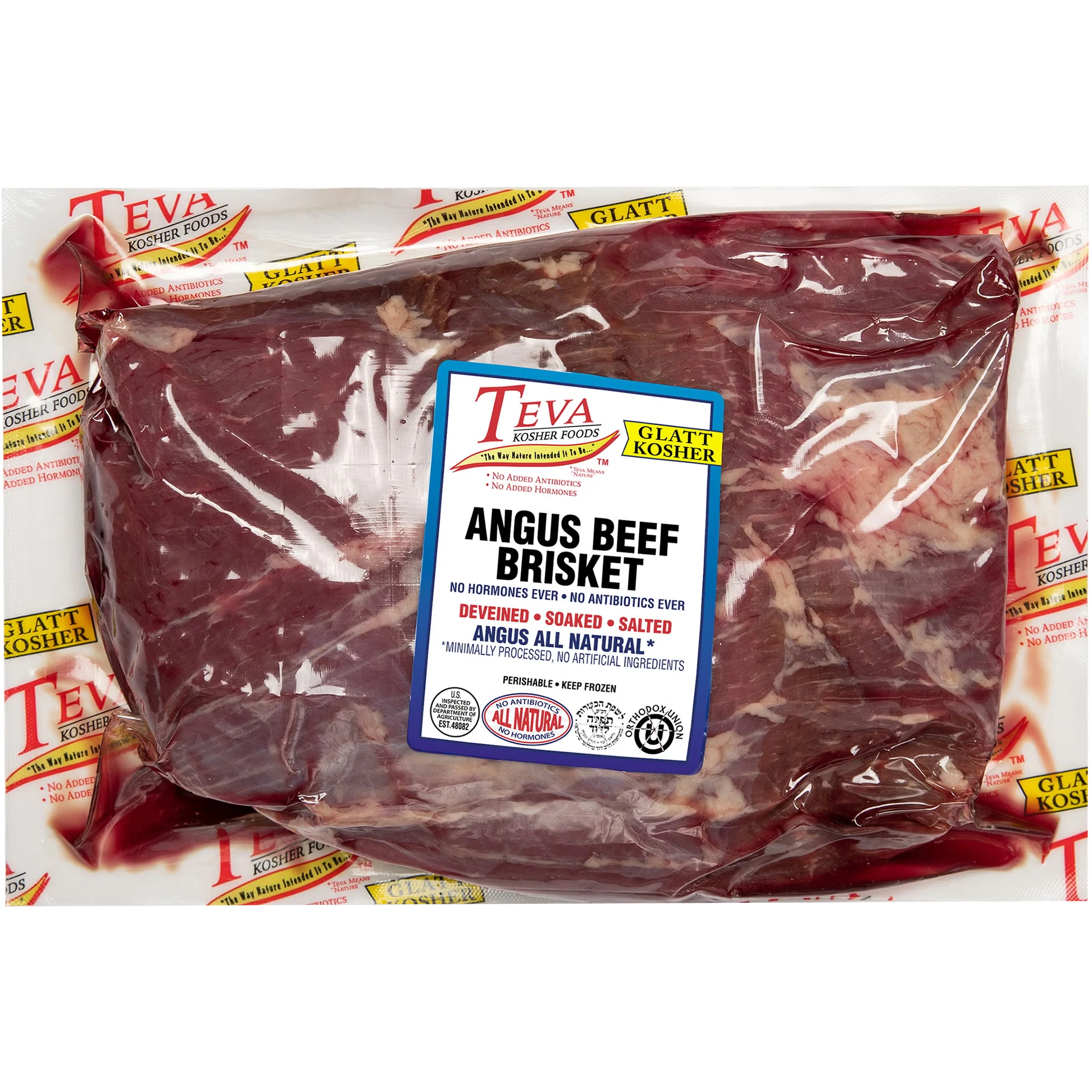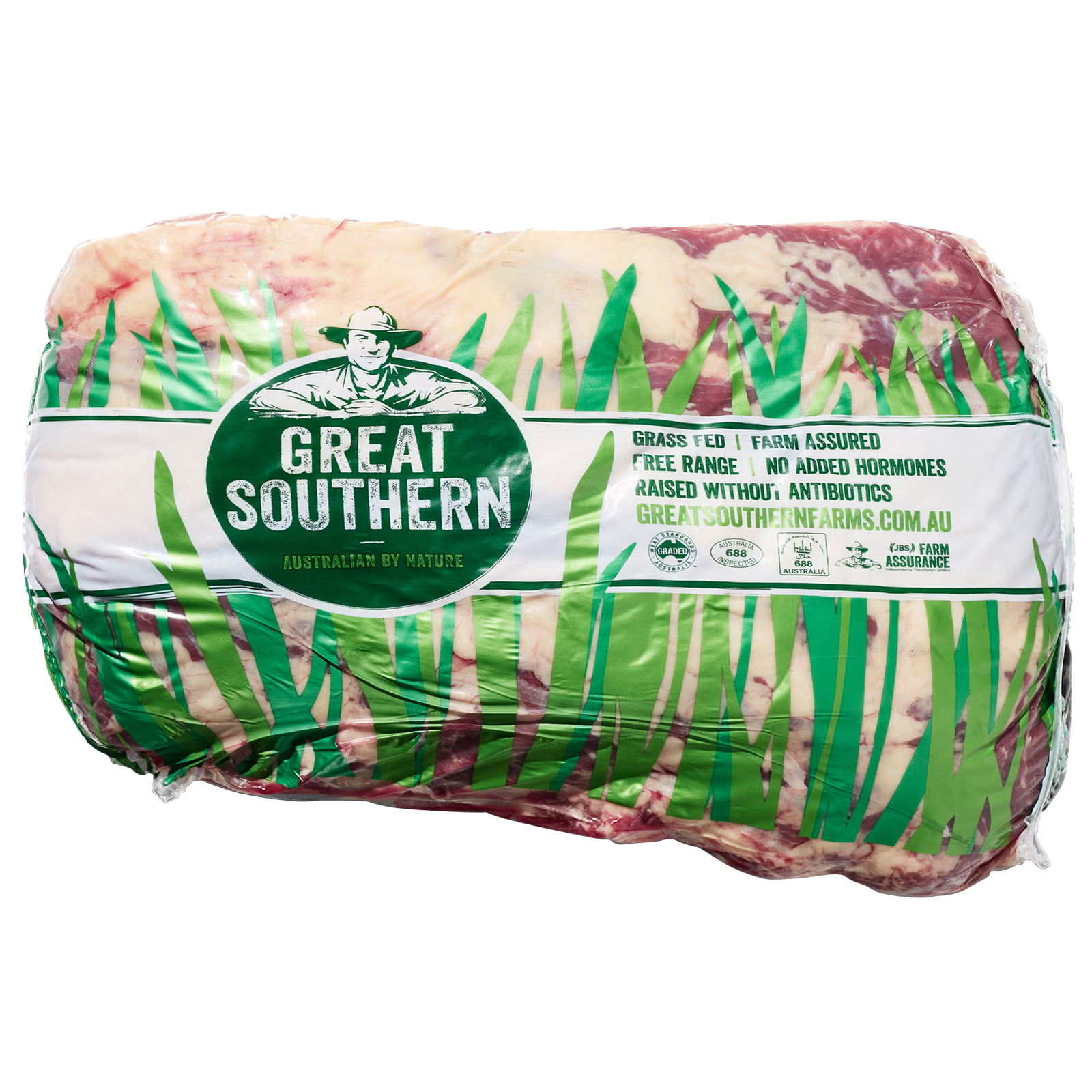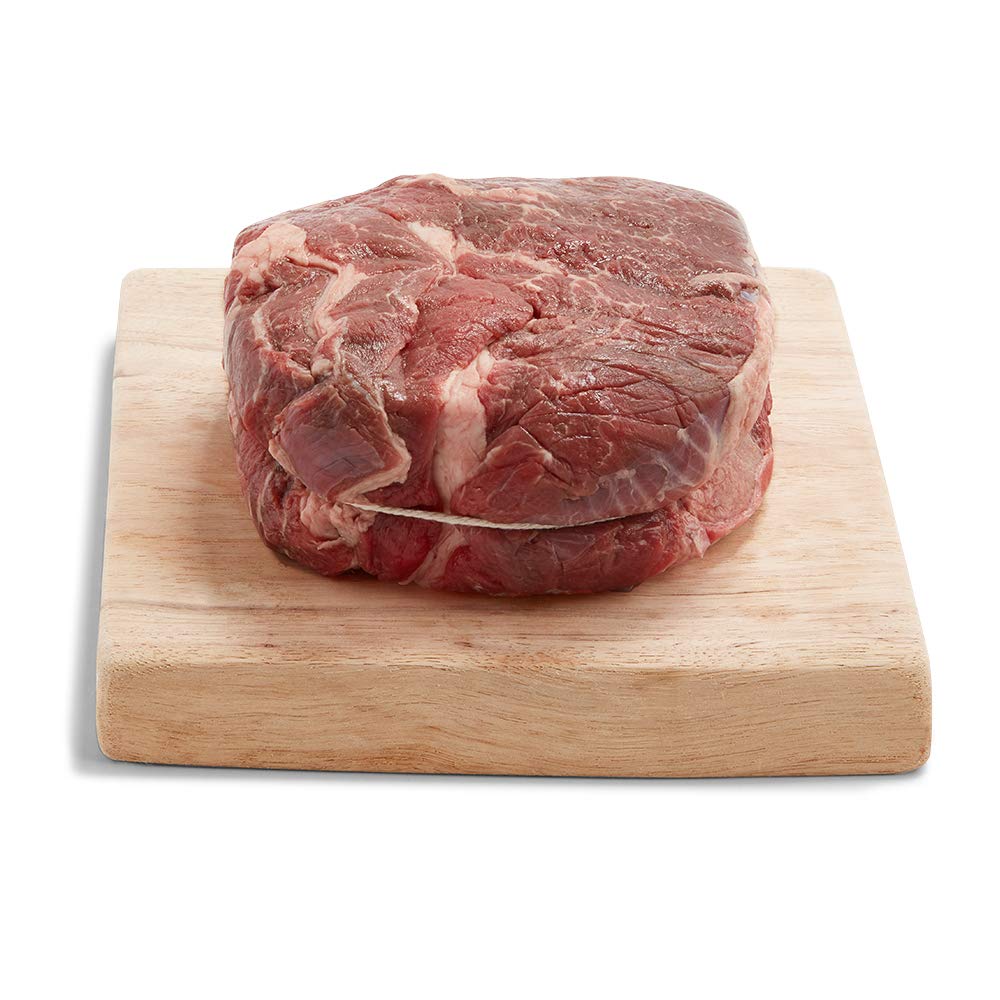
Product images · Packaging may change
Hawaii Big Island Beef Chuck Roast
Likely 100% grass-fed beef from Hawaii Beef Producers’ regional cattle programme.
A CLOSER LOOK
The food facts.
Positives
FeedLikely 100% grass-fedGood
Likely 100% grass-fed through Hawaii Beef Producers’ grass-fed programme. A current supplier profile supports grass feeding; Foodland specified 100% in 2018. The exact current finishing ration is unconfirmed.
More info
Good
Likely 100% grass-fed through Hawaii Beef Producers’ grass-fed programme. A current supplier profile supports grass feeding; Foodland specified 100% in 2018. The exact current finishing ration is unconfirmed.
The matched brand/operator relationship and current open-pasture grass-fed supplier description support this qualified answer. Foodland2018 adds historical specificity; older2006 mixed fed-cattle and grass-finished supply descriptions prevent categorical current all-source assumptions.
A lifetime forage diet excludes grain, including during finishing. Grass-fed beef generally has more omega-3 fat and a lower omega-6 to omega-3 ratio than grain-fed beef.
Exact current source herd, supplements, finishing ration and pasture duration remain unconfirmed.
No current numbered G.A.P. step, organic/non-GMO feed, farm allocation or chemical-free pasture inferred.
Product information
Origin & producer
Related businesses
Brand · Hawaii Big Island Beef
Hawaii Big Island Beef
Hawaii Ranches supplier and Kuahiwi plant customer
Hawaii Ranches described supplying the processor in 2021. Kuahiwi used the plant for its own beef brand. These dated relationships do not identify this package’s ranch.
Concrete programme context with source date and role preserved; no new origin country, practice rating or exact lot allocation.
Other lots, partner properties and component animals may differ; no broader supplier practices are inherited.
Raising origin · Likely raised in Hawaii
Likely raised in Hawaii through Hawaii Beef Producers’ island cattle programme. The exact supplying ranch is unconfirmed.
Matched Hawaii Big Island Beef/Hawaii Beef Producers identity, undated island-raised supplier account and dated regional sourcing support a visiblylikely geographic programme inference. A processor address alone would not; no categorical country or island-specific farm allocation selected.
Current supplying ranch, exact ration and package custody remain unverified.
Sources
Associated processor · Hawaii Beef Producers, Paauilo
Associated processor: Hawaii Beef Producers in Paauilo, Hawaii, USDA M1063. This package’s plant is unconfirmed.
Named brand-to-processor relationship, distinct from an observed inspection mark or allocation of every slaughter/cutting/packing stage.
The retained FSIS record’s active-directory check is dated June 9, 2025; no fresh operating-status audit or exact package EST is inferred.
Feed
Feed exclusions · No animal by-products
Whole Foods’ Meat-department standards exclude animal by-products in feed. Its processing standards also prohibit irradiation, meat glue and lean finely textured beef.
Retailer department eligibility, not a farm feed log or complete processing-aid inventory.
Sources
Antibiotics & hormones
No antibiotics
Excellent
No antibiotics
Routine antibiotic use can select for resistant bacteria. A no-antibiotics supply commitment keeps treated animals out of that programme; sick animals still need care.
Raised without antibiotics. Limiting routine antibiotic use helps reduce selection for antibiotic-resistant bacteria. Sick animals can still receive care and be kept out of this supply.
No added hormones
Excellent
No added hormones
Added growth hormones accelerate weight gain. We would choose meat raised without that intervention.
A no-added-hormones commitment excludes hormone treatments used to accelerate weight gain.
Certifications
Certifications · G.A.P. Animal Welfare Certified
G.A.P. Animal Welfare Certified
How it's raised
Likely pasture-raised
Likely raised on open pasture through Hawaii Beef Producers’ programme. Foodland described two-day pasture rotations in 2018; that schedule and the current pasture duration are not confirmed for this product.
The matched brand/operator relationship and current open-pasture grass-fed supplier description support this qualified answer. Foodland2018 adds historical specificity; older2006 mixed fed-cattle and grass-finished supply descriptions prevent categorical current all-source assumptions.
Exact current source herd, supplements, finishing ration and pasture duration remain unconfirmed.
No current numbered G.A.P. step, organic/non-GMO feed, farm allocation or chemical-free pasture inferred.
An unknown answer does not mean “none.” Check your package for current details.
KEEP EXPLORING