Processing
Is Peracetic Acid on Meat Safe?
Peracetic acid (PAA) reduces bacteria during meat processing. The European Food Safety Authority (EFSA) found no safety concern from residues or reaction products under the poultry treatments it assessed. That finding covers those conditions, not every product. Meat quality, worker exposure and your preference for less processing are separate considerations.
What is peracetic acid, and why is it used on meat?
Peracetic acid—also called peroxyacetic acid or PAA—is an oxidizing antimicrobial used to reduce contamination during processing. Plants may apply it in sprays, dips or poultry chillers. Its effectiveness depends on the organism, meat surface, concentration, contact time and processing conditions.
Peracetic acid (PAA): an antimicrobial applied during food processing to reduce bacteria. It is also called peroxyacetic acid.
A commercial PAA product is a mixture, not just one chemical. It can contain acetic acid, hydrogen peroxide, water and stabilizers—ingredients that help keep the wash stable. One is HEDP, short for hydroxyethylidene diphosphonic acid. Other formulas use different or optional stabilizers. A producer saying “we use PAA” does not identify the complete formula.
PAA is not chlorine. Both can be used in antimicrobial processing, but their chemistry, formulations and supporting evidence differ. Calling all treated meat “chlorine-washed” obscures that distinction.
Is peracetic acid safe to use on meat?
The strongest reassuring evidence is specific to assessed uses: EFSA’s poultry review found no toxicological concern from the evaluated residues, HEDP or anticipated reaction products. U.S. permissions likewise apply to particular formulations and conditions, rather than any use of any PAA solution.
That is different from claiming every treated product has been tested or that every possible effect has been ruled out. A poultry assessment should not be presented as a measurement of a particular beef or bison product. Food-safety evidence also does not settle a shopper’s preference for fewer processing interventions.
“no toxicity concerns were identified”
Does peracetic acid leave a residue on meat?
Active PAA and hydrogen peroxide declined rapidly in a controlled meat experiment. But “below detection” describes a measurement threshold, not proof that no molecules remain. It also says nothing by itself about a stabilizer such as HEDP.
In Walsh and colleagues’ 2018 experiment, beef and chicken were dipped for 30 seconds in more than 2,000 ppm PAA. Models estimated that PAA fell below the study’s detection threshold after 3.5 minutes on beef and 27.9 minutes on chicken. The authors worked for Ecolab, an antimicrobial supplier. This was a controlled experiment, not a survey following commercial meat from plant to store.
The concentration in a wash is not the concentration left in food. “2,000 ppm” describes the treatment solution in that experiment. To interpret a finished-product residue result, ask which substance was measured, how long after treatment, and at what detection limit.
2,000 ppm in a treatment bath is not 2,000 ppm in the meat you buy. Application concentration and finished-food residue are different measurements.
Does a PAA wash affect meat quality?
Meat-quality effects depend on treatment conditions and what researchers measure. A 2024 chicken-cut study found no significant changes in measured color, texture or cooking loss across short treatments of roughly 1,000–2,000 ppm. Those measurements do not establish that flavor, vitamins or every oxidation marker are unchanged.
Repeated exposure adds another question. A 2025 University of Arkansas master’s thesis tested up to five dips at 750 ppm on chicken tenderloins. It reported changes in pH and color; marination timing and storage affected water retention and yield. This is thesis evidence from a particular process, not proof of nutritional damage in retail meat or results for every species.
PAA’s oxidizing chemistry is a reason to investigate specific outcomes. It is not a measurement of lost nutrients. A useful comparison needs the same meat, a defined treatment, an untreated control and the endpoint that matters—such as flavor, lipid oxidation or a particular nutrient.
Scroll sideways to compare all columns.
| Concern | What studies show | What that does not establish |
|---|---|---|
| Active PAA residue | Rapid decline in a controlled beef/chicken experiment. Source | Not a plant-to-retail survey, and non-detection is not absolute zero. |
| Meat quality | No measured quality penalty in one short-treatment poultry study; repeated-dip work found changes. Source · Repeated-dip study | Color and yield cannot substitute for flavor or nutrient measurements. |
| Worker exposure | Airborne exposure is an occupational irritation concern. Source | Workplace findings do not measure a shopper’s dietary exposure. |
| HEDP | EFSA assessed food residues and wastewater separately. Source | Its presence and amount depend on the formulation and process. |
What are the concerns for workers and the environment?
Breathing PAA-containing mist or vapor is a different exposure from eating finished meat. Workplace exposure can irritate the eyes and airways. Ventilation, dosing controls and exposure monitoring matter even when a food-residue assessment is reassuring.
A 2026 NIOSH evaluation at a beverage facility assessed airborne PAA and employees’ symptoms. It references an ACGIH short-term guideline of 0.4 ppm. That occupational guideline is not a food-residue limit, and this study does not establish conditions at a particular meat plant.
The complete formulation matters for wastewater, too. EFSA flagged uncertainty around HEDP discharge in its poultry assessment. The fate of active PAA does not establish that every formulation component is harmless in wastewater. A plant’s actual formulation and treatment system are needed to assess its discharge.
Why do U.S. and EU rules differ?
The U.S. uses formulation- and application-specific permissions. The EU’s hygiene framework requires approval for substances used to remove surface contamination from animal products. A scientific safety opinion and a legal authorization answer different questions.
There is no single PAA concentration to quote as the limit for every meat wash. For example, 21 CFR §173.370 allows up to 220 ppm total peroxyacids, expressed as PAA, for its defined mixture. FDA Food Contact Notification 2352 describes uses up to 2,000 ppm PAA under its own conditions. Those permissions are not interchangeable.
EFSA’s 2014 poultry opinion assessed proposed uses; it did not itself authorize a treatment in the EU. A producer serving either market must identify the permission covering its actual formula and process. The regulatory difference alone does not establish that the treated food is toxic.
- 21 CFR §173.370: peroxyacids
- FDA Food Contact Notification 2352
- EU Regulation 853/2004, Article 3
- EFSA poultry safety and efficacy assessment (2014)
Scroll sideways to compare all columns.
| Question | United States | European Union |
|---|---|---|
| What governs a treatment? | FDA permissions and FSIS suitability for the particular formula and application. | The hygiene framework requires approval for substances used to remove surface contamination. |
| What does a safety assessment mean? | Use must match the conditions of the applicable permission. | An EFSA opinion informs a decision; it does not itself authorize a treatment. |
| What should a shopper ask? | Which formula and authorized use cover this product? | Which approval covers the treatment used for this product? |
Will the label tell me whether meat was treated with PAA?
An ingredient list is not a complete processing history. When an antimicrobial qualifies as a processing aid, it may not be declared like an ingredient that continues to function in the finished food. The absence of “peracetic acid” on a label therefore does not establish that no PAA was used.
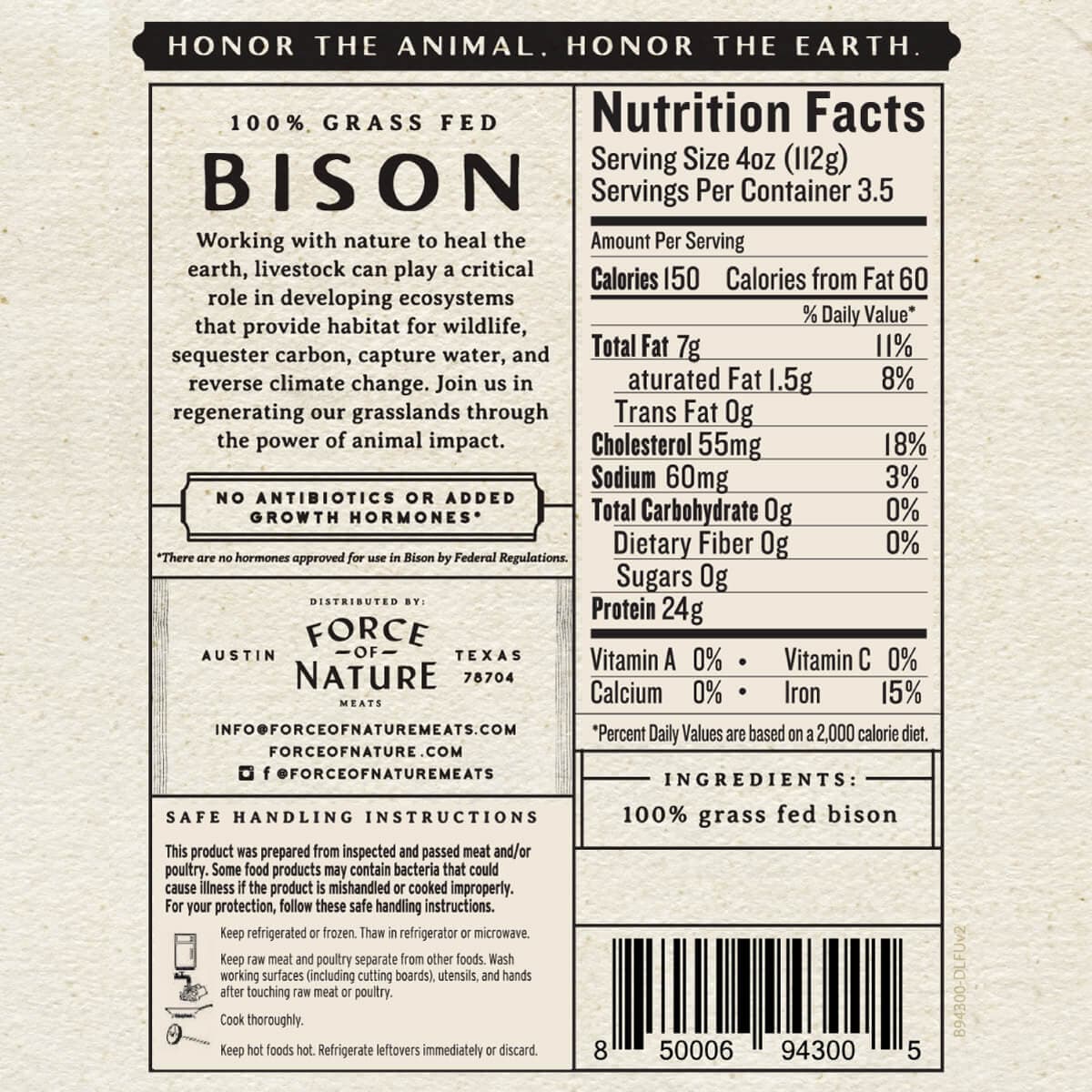
Ask about the exact product and the whole processing chain. “We do not use it in the final rinse” leaves earlier steps unanswered. A brand-wide statement may also differ from what happens at a specific supplier or plant. Save the product name, barcode and establishment number when requesting clarification.

What should I ask before buying?
Start with the exact product and ask which treatments it receives. A clear answer about processing helps you choose according to your preferences without assuming that an undisclosed detail means either “used” or “not used.”
- Is PAA used on this exact product at any stage, including slaughter, chilling and cutting?
- What is the commercial formulation, and does it contain HEDP or another stabilizer?
- What concentration, contact time and number of treatments does the product receive?
- Which FDA permission and FSIS use entry cover that formulation and application?
- Do you have finished-product residue or quality measurements, including the test method and sampling time?
- If you avoid PAA, how do you validate the alternative process for pathogen control?
Find the USDA establishment number on your package to help identify the processing facility. An organic or grass-fed claim answers a different question from the complete processing history.
You can value less processing without claiming that treated meat is unsafe. Ask for the evidence behind both the treatment and the alternative.
More questions about peracetic acid on meat
Is peracetic acid harmful to humans?
Exposure matters. Concentrated products and airborne workplace exposure can cause harm, while EFSA found no toxicological concern from the poultry-use scenarios it assessed. A warning for handling concentrate should not be treated as a measurement of risk from eating finished meat. EFSA poultry safety and efficacy assessment (2014).
Is PAA the same as vinegar?
No. Acetic acid is the acid in vinegar; peracetic acid is a different, reactive antimicrobial. A commercial PAA formulation can include acetic acid, hydrogen peroxide and stabilizers. “It breaks down” is not a full description of the formula or its effects. FSIS formulation and use entries.
Does PAA-treated meat harm the gut microbiome?
The studies cited here do not establish harm to the human gut microbiome from eating PAA-treated meat. Changing microbes on a carcass is not the same as changing a person’s intestinal microbiome. The residue experiment also does not test that outcome. Walsh et al., residue-decay experiment (2018).
Should I wash meat at home to remove processing chemicals?
USDA advises against washing raw meat and poultry because splashing can spread bacteria around the kitchen. Home rinsing is not a validated way to reverse processing. Follow safe handling and cooking guidance; ask the producer about treatments before buying. USDA guidance on washing raw meat.
This guide explains published research and regulatory sources. It does not report laboratory testing of products sold by any particular brand. How 2table checks food information.