
Product images · Packaging may change
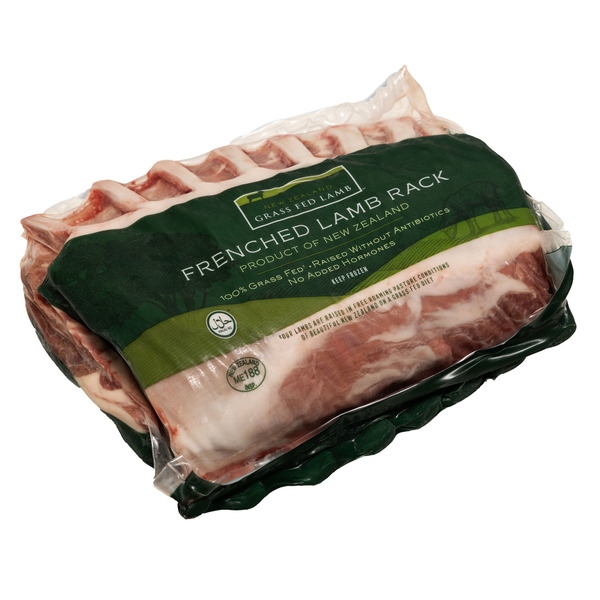
New Zealand Halal Frenched Lamb Rack, 3 lb avg wt
100% grass-fed pasture-raised New Zealand lamb racks. Halal; sold frozen.
Feed
100% grass-fedOutdoor access
Lifelong pasture; no feedlotsMulesing
No mulesingCertifications
HalalOrigin
New ZealandProcessing treatments
No chemical carcass washA CLOSER LOOK
The food facts.
Positives
Feed100% grass-fedGood
The brand’s programme calls for grasses, chicory and clover through finishing; claims vary by product.
More info
Good
The brand’s programme calls for grasses, chicory and clover through finishing; claims vary by product.
Forage finishing and year-round pasture are the documented brand programme, not a farm-specific audit.
A lifetime forage diet excludes grain, including during finishing. Grass-fed beef generally has more omega-3 fat and a lower omega-6 to omega-3 ratio than grain-fed beef.
Exact supplement/mineral formulation and farm allocation are not supplied.
Brand attributes vary by product; stronger matching product claims retain their own scope.
Sources
Outdoor accessLifelong pasture; no feedlotsGood
The brand’s programme calls for lifelong outdoor grazing; claims vary by product, so check the package.
More info
Good
The brand’s programme calls for lifelong outdoor grazing; claims vary by product, so check the package.
Forage finishing and year-round pasture are the documented brand programme, not a farm-specific audit.
Lifelong pasture or range, without feedlot finishing, gives animals freedom to graze and move throughout raising. A pasture start, seasonal grazing or access to an outdoor yard does not establish that commitment.
Exact supplement/mineral formulation and farm allocation are not supplied.
Brand attributes vary by product; stronger matching product claims retain their own scope.
MulesingNo mulesingGood
Skin around the lamb’s breech is not removed by mulesing.
More info
Good
Skin around the lamb’s breech is not removed by mulesing.
Avoiding mulesing removes this painful procedure. Tail docking and castration are separate practices.
Mulesing removes skin around the breech to reduce flystrike risk. Avoiding it removes this painful procedure.
Specific feeding, treatment or processing information takes precedence.
Processing treatmentsNo chemical carcass washGood
Routine New Zealand lamb carcass dressing uses physical cleaning without a chemical microbial wash.
More info
Good
Routine New Zealand lamb carcass dressing uses physical cleaning without a chemical microbial wash.
This avoids a chemical carcass intervention at slaughter. Later cutting or processing treatments remain separate.
Antimicrobial washes reduce bacteria during processing. We prefer a supply with fewer chemical processing interventions.
Specific feeding, treatment or processing information takes precedence.
Sources
- MPI ovine risk management review · Routine carcass dressing; no chemical microbial interventions
Product information
Origin & producer
Related businesses
Country of origin · New Zealand
New Zealand
Brand · New Zealand Spring Lamb
New Zealand Spring Lamb
Pictured processor: CMP Rangitikei, New Zealand
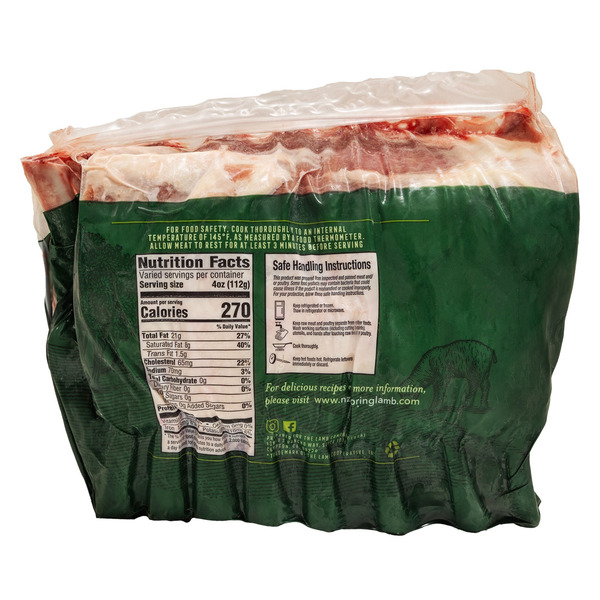
ME188 on the pictured rack identifies CMP Rangitikei, ANZCO’s lamb site at 672 State Highway 1, Marton/Bulls, New Zealand. The U.S. prepared-for address identifies a marketing role; it does not establish U.S. processing.
Pictured processing role and premises certification are separate from actual farm allocation, shipment certification or observed audit results.
No current shipment or supplying farm allocated.
The certificate authorizes premises scope, not observed performance on every animal.
Antibiotics & hormones
No antibiotics
Excellent
No antibiotics
Routine antibiotic use can select for resistant bacteria. A no-antibiotics supply commitment keeps treated animals out of that programme; sick animals still need care.
Raised without antibiotics. Limiting routine antibiotic use helps reduce selection for antibiotic-resistant bacteria. Sick animals can still receive care and be kept out of this supply.
No added hormones
Excellent
No added hormones
Added growth hormones accelerate weight gain. We would choose meat raised without that intervention.
A no-added-hormones commitment excludes hormone treatments used to accelerate weight gain.
Processing
Freezing history · Sold frozen
Sold frozen in sealed packaging; the source does not establish this package’s transport temperatures or freeze/thaw history.
Source-backed food, origin and process context; no measured nutritional, residue, clinical or ecological outcome inferred.
Artwork and retained programme statements do not establish every current lot.
NZ halal slaughter framework · Reversible stunning: NZ halal framework
Reversible pre-slaughter stunning is required under New Zealand’s halal-export framework (2021 notice); actual package-level stunning outcomes are not documented.
Source-backed food, origin and process context; no measured nutritional, residue, clinical or ecological outcome inferred.
Retained framework context, not a fresh whole-instrument audit, current facility audit or observed lot outcome.
Package cooking instruction · 145°F with a thermometer; rest at least 3 minutes
The rack package directs 145°F checked with a meat thermometer, followed by at least 3 minutes of rest. This instruction is for the rack, not ground lamb.
Package nutrition declarations and consumer cooking directions, not independent assays or proof of factory process performance.
Advertised package is undated; lower wrinkled nutrition lines remain unresolved.
Ingredients
Ingredients · Lamb
Excellent
Plain raw lamb rack; full ingredient lists remain unconfirmed.
Plain meat best fits our ingredient preference. A simple ingredient list cannot rule out processing aids used earlier.
Source-backed food, origin and process context; no measured nutritional, residue, clinical or ecological outcome inferred.
Ingredients describe what goes into the food. Processing treatments are covered separately.
Artwork and retained programme statements do not establish every current lot.
Pictured nutrition panel · 270 calories 21 g fat per 4 oz (112 g)
Per 4 oz (112 g), the pictured panel lists 270 calories, 21 g fat and 70 mg sodium. These are label declarations; wrinkled protein and lower lines are not reliably readable.
Package nutrition declarations and consumer cooking directions, not independent assays or proof of factory process performance.
Advertised package is undated; lower wrinkled nutrition lines remain unresolved.
Certifications
Certifications · Halal
Halal
ME188 halal premises certificate: May 2025–April 2028
NZIDT certificate GX038/2025 covers halal slaughter, boning, packing, storage and dispatch of chilled/frozen lamb at ME188. Issued April 5, 2025; valid May 1, 2025–April 30, 2028. It is a premises certificate, rather than this package’s shipment certificate.
Pictured processing role and premises certification are separate from actual farm allocation, shipment certification or observed audit results.
No current shipment or supplying farm allocated.
The certificate authorizes premises scope, not observed performance on every animal.
Farm assurance programme · NZFAP assurance; Plus is separate
ANZCO’s 2025–26 report says all procured lamb is NZFAP assured. Its six NZFAP Plus leased farms are a separate tier; this does not identify the pictured ME188 rack’s farm or audit outcome.
Company-reported procurement assurance, not a recovered farm certificate, independent lot audit, organic designation or stronger Plus programme.
Overall report is not externally assured; exact farm and audit outcomes remain unassigned.
An unknown answer does not mean “none.” Check your package for current details.
KEEP EXPLORING
Also in the meat aisle
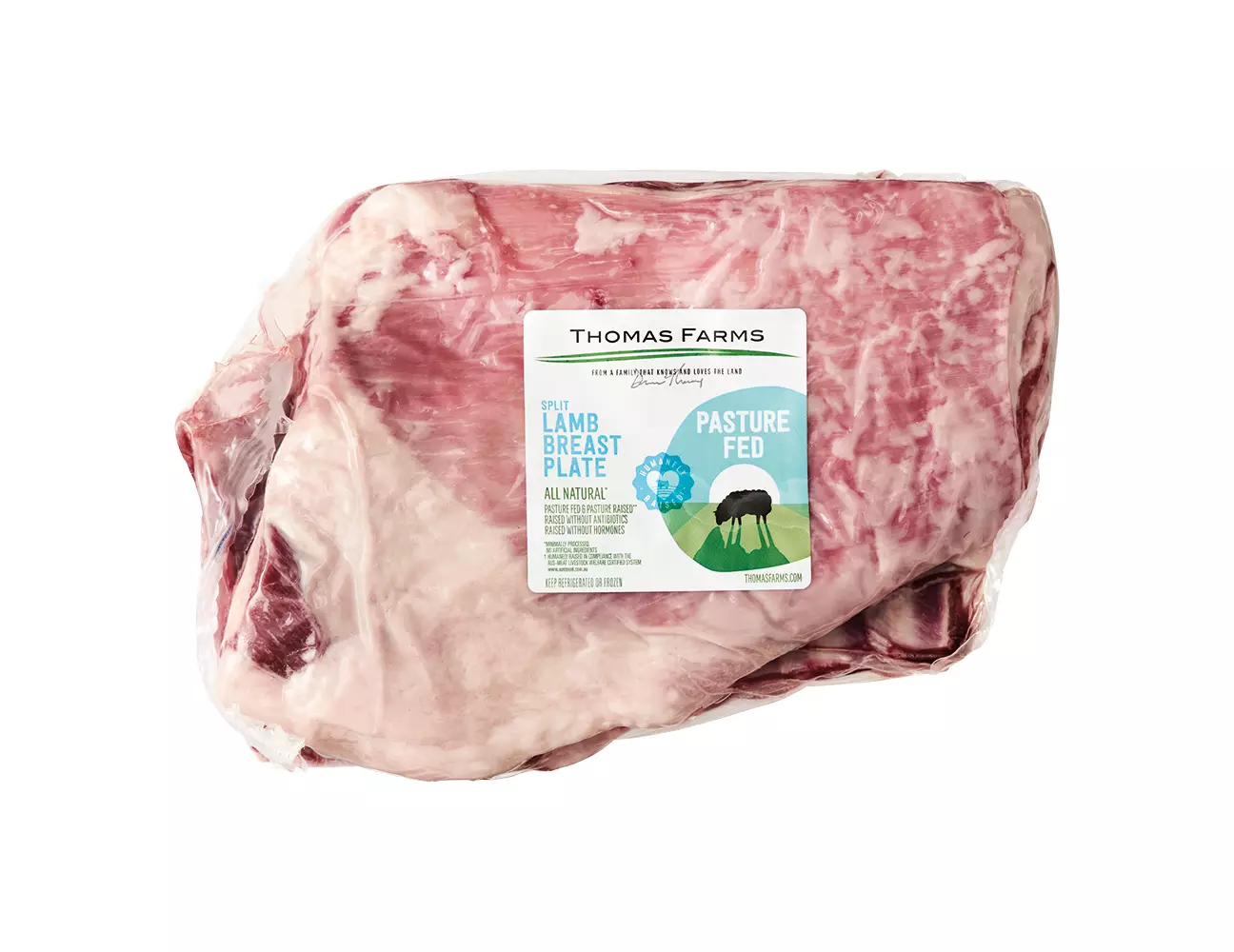
Thomas Farms
Thomas Farms Split Lamb Breast Plate
- Feed
- 100% grass-fed
- Origin
- Australia
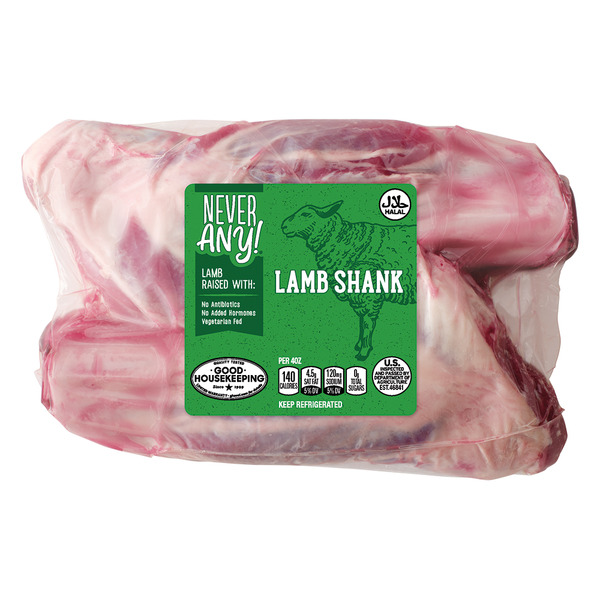
Never Any!
Never Any! Unseasoned Lamb Shank
- Feed
- Vegetarian-fed
- Processed in
- Swedesboro, New Jersey, United States
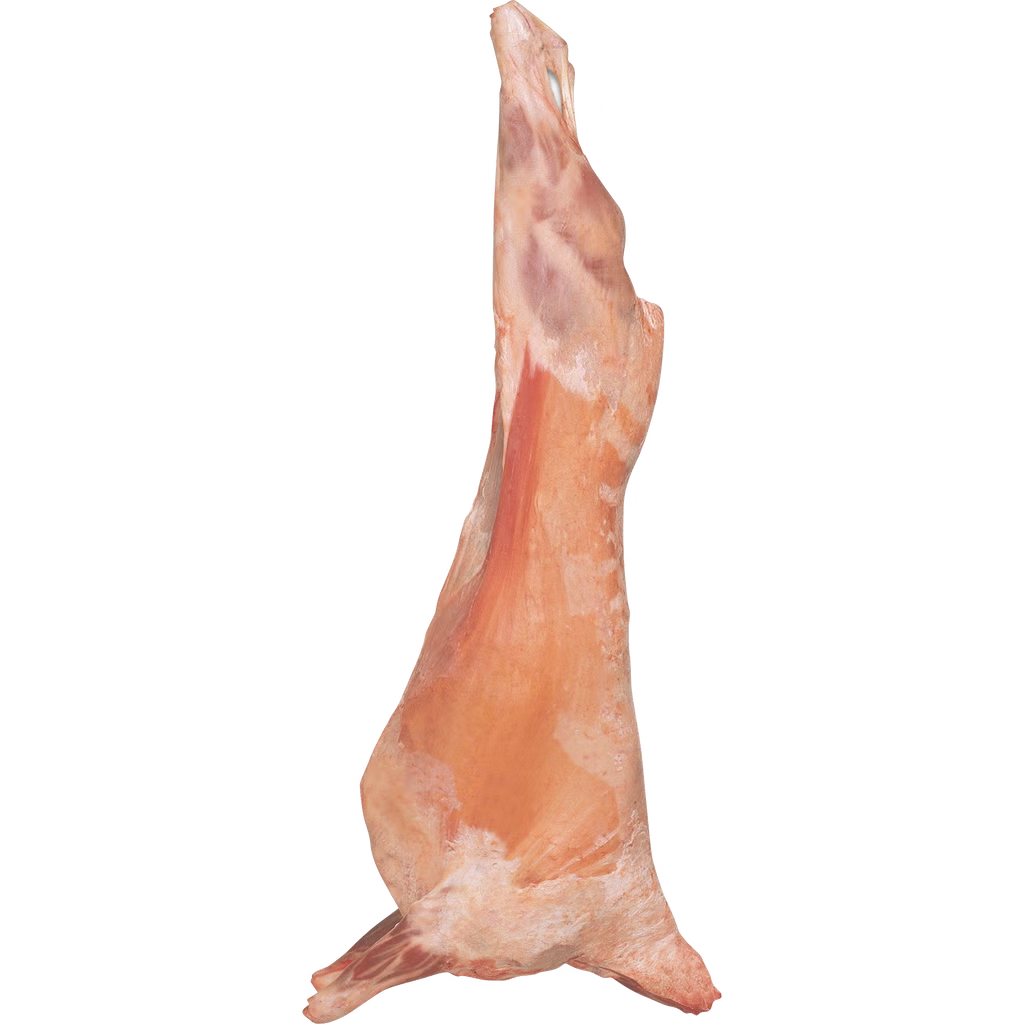
Australian Lamb Company
Australian Lamb Carcass
- Diet and finishing
- Likely pasture-based; grain finishing possible
- Origin
- Australia