Product images · Packaging may change
USDA Select Beef Ball Tip
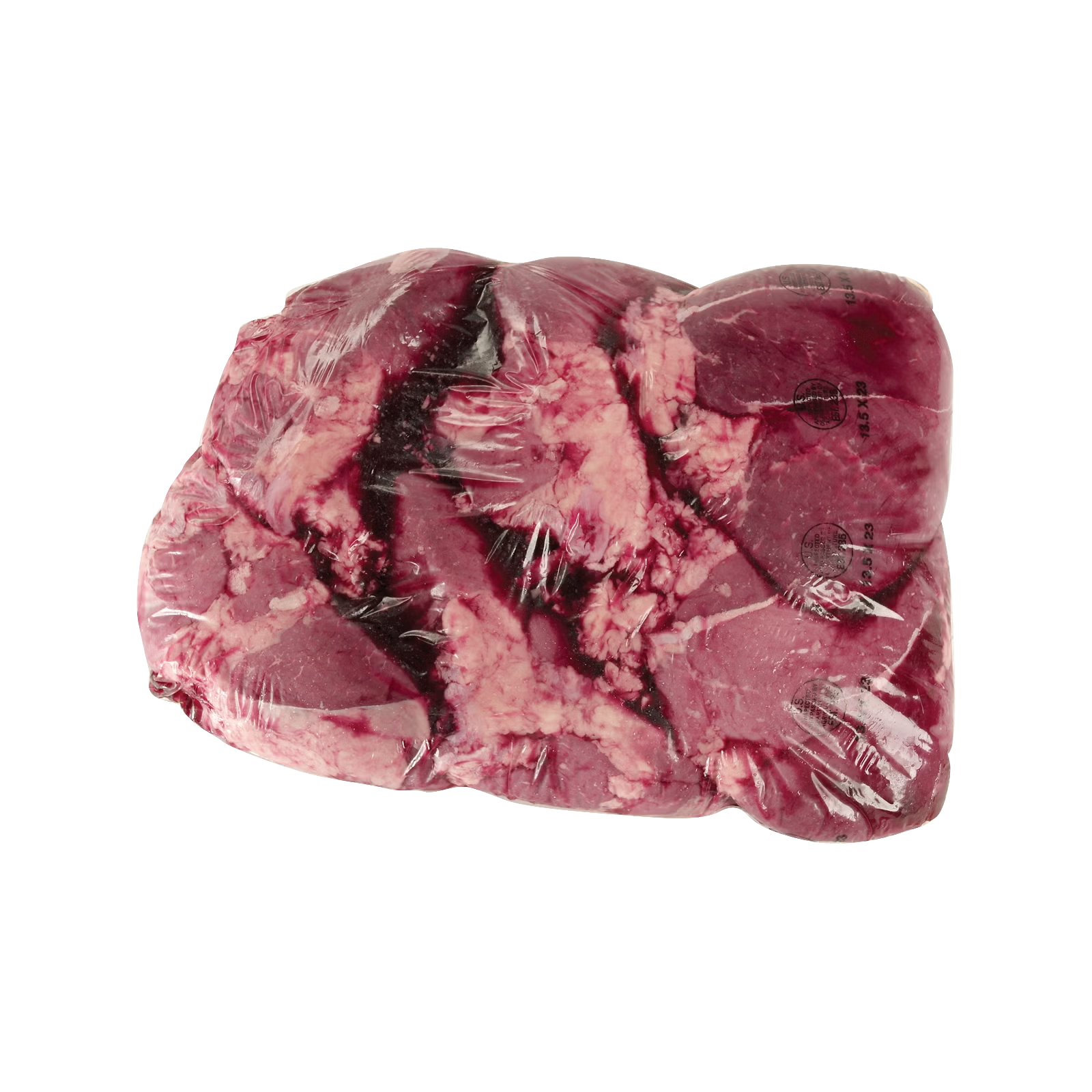
USDA Select beef ball tip; the pictured package identifies Washington Beef.
A CLOSER LOOK
The food facts.
Negatives
Likely grain finishedMediocre
Likely grain finished. This conventional beef cut fits the usual North American grain-finishing model described by USDA. The product’s actual finishing ration is not disclosed.
More info
Mediocre
Likely grain finished. This conventional beef cut fits the usual North American grain-finishing model described by USDA. The product’s actual finishing ration is not disclosed.
This sourcing preference favors lifetime forage feeding. The product identity and conventional retail market support likely grain inclusion; an industry pattern is not a lot-level observation. No safety or residue conclusion follows.
Grain finishing supplies energy-dense feed for weight gain and marbling before slaughter. We would choose grass and forage for cattle. In beef comparisons, forage feeding generally produces more omega-3 fat and a lower omega-6 to omega-3 ratio.
Actual supplier, ration and grain proportion are unresolved.
Specialty production or a newer package claim could change this inference.
Sources
- USDA cattle production and trade · Cattle feeding; U.S. beef trade
Product information
Origin & producer
Related businesses
Processed in · Toppenish, Washington, United States
EST. 235 on the pictured package identifies Washington Beef in Toppenish, Washington. The undated photo does not identify cattle origin, a supplying ranch or every current lot’s processor.
Processor identity and microbial-control programme context do not identify upstream cattle or establish any specific chemical, measured residue or health outcome.
No current physical lot or complete food-contact treatment specification.
Daily cleaning concerns plant sanitation, not an ingredient declaration or chemical treatment of every cut.
Processor · Washington Beef, LLC
EST. 235 on the pictured package identifies Washington Beef in Toppenish, Washington. The undated photo does not identify cattle origin, a supplying ranch or every current lot’s processor.
Processor identity and microbial-control programme context do not identify upstream cattle or establish any specific chemical, measured residue or health outcome.
No current physical lot or complete food-contact treatment specification.
Daily cleaning concerns plant sanitation, not an ingredient declaration or chemical treatment of every cut.
Catalogue company · Costco Meat: catalogue attribution
Costco Meat is the catalogue company for this item. EST. 235 on the pictured package separately identifies Washington Beef; the catalogue name does not assign a Costco processing plant or cattle raising origin.
Useful exact cut, pack, food and business-role context. Existing dated processor history remains separate from actual current cattle, wash chemistry or food exposure.
No current lot, farm, exact ration, new certificate or measured food-safety outcome established.
Certifications
Grade · USDA Select
USDA Select
How it's raised
Likely a pasture start
Likely pasture-raised early in life, before finishing.
Early grazing is a positive under the pasture-access preference. It can coexist with grain or confined finishing; this finding does not establish pasture finishing or an audited welfare outcome.
Actual birth herd and pasture duration are not identified.
Dairy-derived cattle or a different supplier system could change this inference.
Sources
- USDA cattle production · Cow-calf and stocker production
Processing
Washington Beef processing programme · 24+ seasonal food-safety controls
More than 24 seasonally varying food-safety interventions and eight hours of daily cleaning at Washington Beef. Context for the pictured EST. 235 version; the exact treatments used on this cut are unconfirmed.
Processor identity and microbial-control programme context do not identify upstream cattle or establish any specific chemical, measured residue or health outcome.
No current physical lot or complete food-contact treatment specification.
Daily cleaning concerns plant sanitation, not an ingredient declaration or chemical treatment of every cut.
Cut and pack format · Select ball tip; about 20 lb
USDA Select ball tip, listed at about 20 lb average weight and pictured in close-fitting sealed film. This does not establish film material, packaging gas, freezing history, aging time or tenderization.
Useful exact cut, pack, food and business-role context. Existing dated processor history remains separate from actual current cattle, wash chemistry or food exposure.
No current lot, farm, exact ration, new certificate or measured food-safety outcome established.
Ingredients
Beef ball tip · Raw beef ball tip
Raw whole beef ball tip. The full ingredient declaration, added solution and processing aids are not specified.
Useful exact cut, pack, food and business-role context. Existing dated processor history remains separate from actual current cattle, wash chemistry or food exposure.
No current lot, farm, exact ration, new certificate or measured food-safety outcome established.
An unknown answer does not mean “none.” Check your package for current details.
KEEP EXPLORING