
Chuck Eye Boneless Beef Steak, Single
Boneless chuck-eye steak. Grain-finished.
Kroger animal-care policy
Kroger opposes antibiotics for growth promotionLikely grain finished
Likely grain finishedA CLOSER LOOK
The food facts.
Negatives
Likely grain finishedMediocre
Likely grain finished. This conventional beef cut fits the usual North American grain-finishing model described by USDA. The product’s actual finishing ration is not disclosed.
More info
Mediocre
Likely grain finished. This conventional beef cut fits the usual North American grain-finishing model described by USDA. The product’s actual finishing ration is not disclosed.
This sourcing preference favors lifetime forage feeding. The product identity and conventional retail market support likely grain inclusion; an industry pattern is not a lot-level observation. No safety or residue conclusion follows.
Grain finishing supplies energy-dense feed for weight gain and marbling before slaughter. We would choose grass and forage for cattle. In beef comparisons, forage feeding generally produces more omega-3 fat and a lower omega-6 to omega-3 ratio.
Actual supplier, ration and grain proportion are unresolved.
Specialty production or a newer package claim could change this inference.
Sources
- USDA cattle production and trade · Cattle feeding; U.S. beef trade
- Exact conventional product identity
Product information
How it's raised
Likely a pasture start
Likely pasture-raised early in life, before finishing.
Early pasture access can precede later grain or feedlot finishing; the cattle’s actual pasture duration and finishing system are not established.
Actual birth herd and pasture duration are not identified.
Dairy-derived cattle or a different supplier system could change this inference.
Sources
- USDA cattle production · Cow-calf and stocker production
- Exact conventional product identity
Origin & producer
Related businesses
Kroger sourcing policy · U.S.-based supplier facilities (2022)
Kroger’s 2022 policy: over 99% of fresh beef came from suppliers’ U.S. production facilities.
A U.S. production-facility location does not establish where the cattle were born or raised.
The percentage is the dated retailer statement, not a 2026 survey or this product’s lot allocation.
Imported cattle or beef are not excluded by a U.S. processing-facility statement.
Sources
- Kroger animal-welfare policy · August 2022, page 3: fresh beef supplier production facilities
- Kroger policy directory · Policy still linked at September 21, 2026 retained source review
Retailer image mismatch · Retailer image shows Wegmans packaging
Food 4 Less uses a Wegmans Keeps Fresh package image for this chuck-eye listing. That mismatched image does not establish Kroger’s supplier or the grade of the delivered product.
The displayed package belongs to a different retailer and does not identify the supplier or grade of the product sold here.
Artwork is not a dated current purchased lot.
Antibiotics & hormones
Kroger animal-care policy · Kroger opposes antibiotics for growth promotion
Kroger’s 2022 policy opposes antibiotic use for growth promotion and says treatment should be supervised by a veterinarian.
Veterinary oversight can guide treatment of sick animals. The policy does not identify treatments used for these cattle.
Organic and no-antibiotics programmes have separate requirements.
The treatment and residue results for the animals behind this product are unknown.
Sources
- Kroger animal-welfare policy · August 2022: antibiotic use and animal-health provisions
- Kroger policy directory · Policy still linked at September 21, 2026 retained source review
An unknown answer does not mean “none.” Check your package for current details.
KEEP EXPLORING
Also in the meat aisle
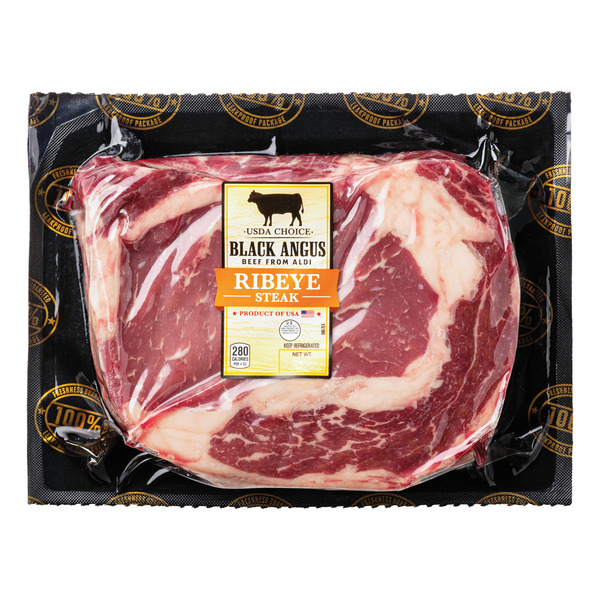
USDA Choice Black Angus Ribeye Steak
- Likely grain finished
- Likely grain finished
- Origin
- United States
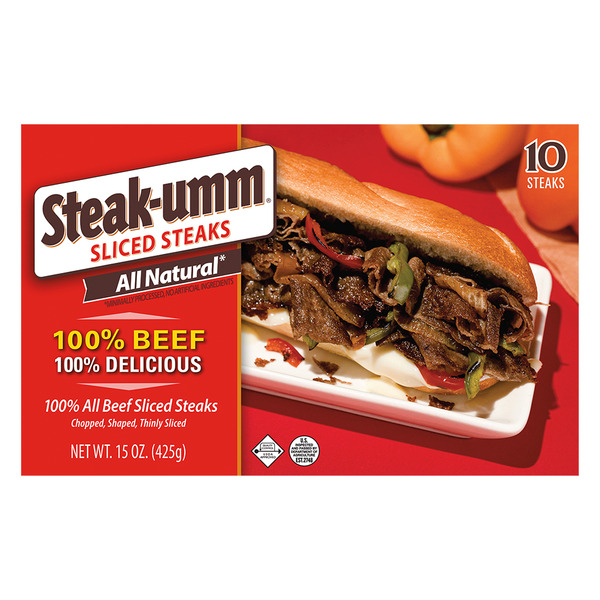
Steak-umm
Steak-umm 100% Beef Sliced Steaks, 10 Steaks, 15 oz
- Feed
- Not specified
- Origin
- Not specified
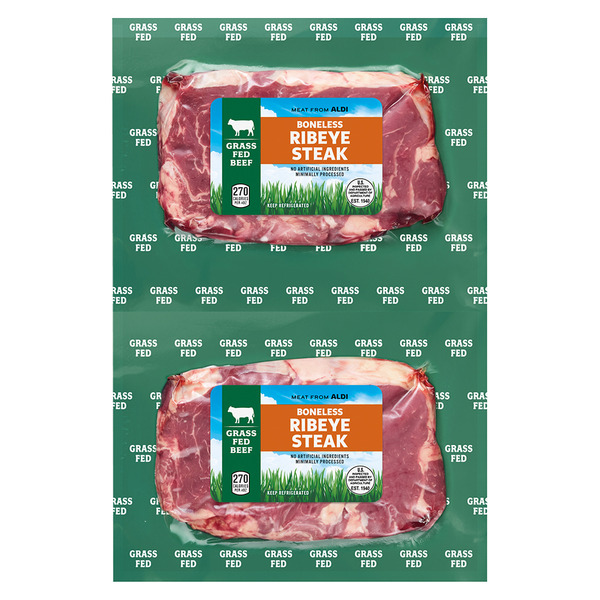
Grass-Fed Boneless Ribeye Steak
- 100% grass-fed
- 100% grass-fed
- Origin
- United States