
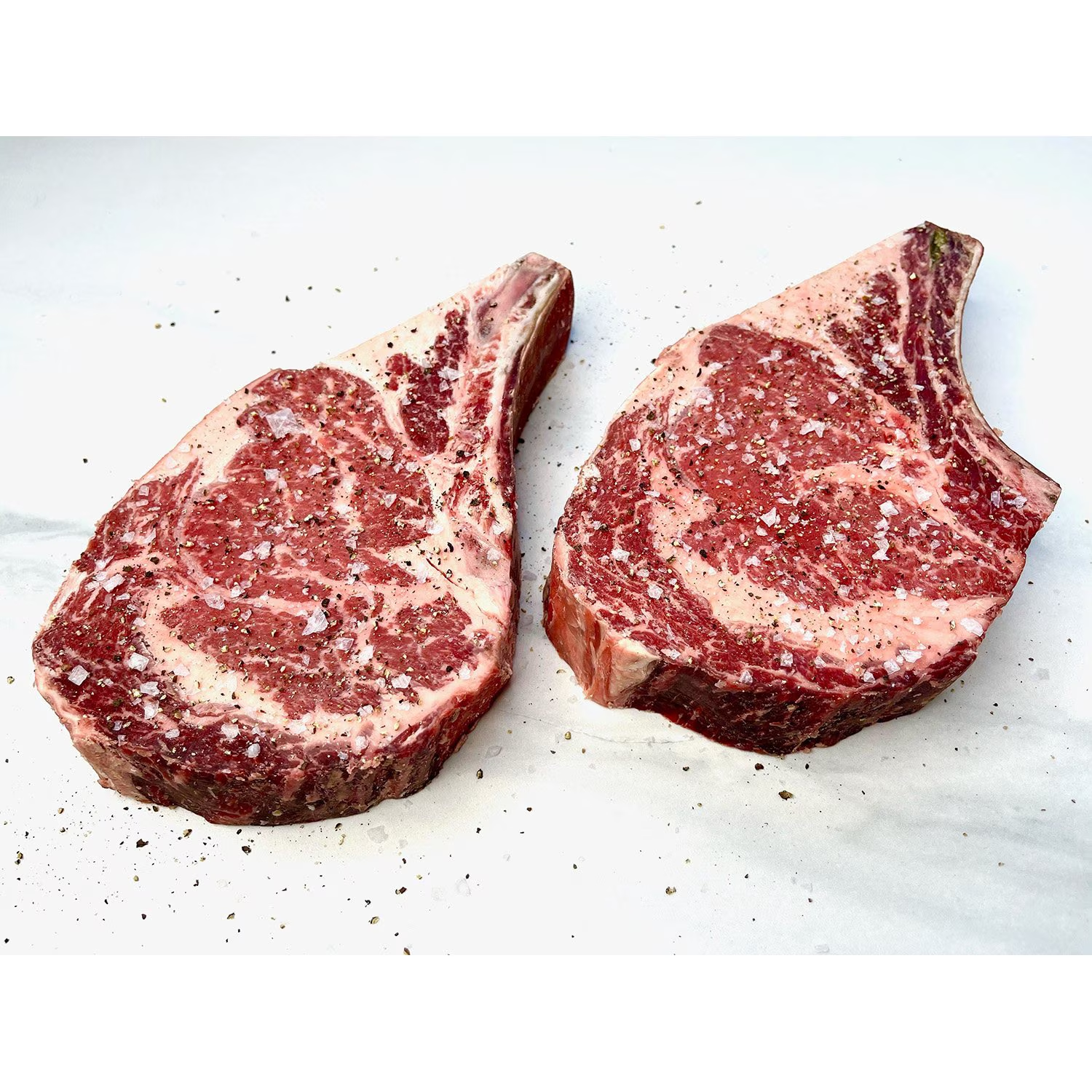
Product images · Packaging may change
Purely Meat USDA Prime Dry-Aged Bone-In Cowboy Ribeye
USDA Prime Angus bone-in cowboy ribeyes, dry-aged at least 21 days and sold frozen.
Retailer antibiotic policy
Medical use permitted; ionophore exceptionLikely grain-finished
Likely grain-finishedA CLOSER LOOK
The food facts.
Negatives
Likely grain-finishedMediocre
Likely grain-finished. Purely’s direct-sale Prime bone-in ribeye line specifies grass feeding followed by grain finishing. Sam’s two-pack differs in weight and aging duration, so its exact ration and programme match remain unconfirmed.
More info
Mediocre
Likely grain-finished. Purely’s direct-sale Prime bone-in ribeye line specifies grass feeding followed by grain finishing. Sam’s two-pack differs in weight and aging duration, so its exact ration and programme match remain unconfirmed.
Actual practice or qualified product-line inference, not a measured health, residue or ecological outcome.
Grain finishing supplies energy-dense feed for weight gain and marbling before slaughter. We would choose grass and forage for cattle. In beef comparisons, forage feeding generally produces more omega-3 fat and a lower omega-6 to omega-3 ratio.
Product information
Origin & producer
Related businesses
Brand · Purely Meat
Purely Meat
Processing
Freezing history · Sold frozen
Sold frozen
Dry-aged at least 21 days
Sam’s two-pack specifies at least 21 days of dry aging. Purely’s direct four-pack specifies at least 40 days; that longer duration does not apply automatically to this two-pack.
Actual practice or qualified product-line inference, not a measured health, residue or ecological outcome.
Ingredients
Ingredients · Beef
Excellent
Beef
Plain meat best fits our ingredient preference. A simple ingredient list cannot rule out processing aids used earlier.
Ingredients describe what goes into the food. Processing treatments are covered separately.
Certifications
Grade · USDA Prime
USDA Prime
How it's raised
Likely early pasture access
Likely pasture access early in life.
Cowcalf pasture occurs in multiple reviewed production systems and can precede grain finishing. Dairy/specialty inputs can differ. Actual imported mix and unknown Japanese/specialty routes are not assumed identical; no exact duration, pasture finish or lifelong outdoors.
Actual ranch, animal class and individual pasture history remain unconfirmed.
No country, farmer, numbered welfare tier, grass-finished or never-confined guarantee assigned.
Antibiotics & hormones
Retailer antibiotic policy · Medical use permitted; ionophore exception
Veterinary antibiotic care is permitted. The retailer asks suppliers to end growth-promotion use, except ionophores, and report antibiotic use annually. This is a retailer policy, not an animal treatment record.
Medical treatment/control/prevention is permitted under responsible-use expectations. The explicit ionophore exception means this is not a universal growth-antibiotic or never-use exclusion. Permission is not proof of use.
Actual treatment, individual medicines, diversion and residues remain unassigned.
Supplier requests and annual reporting expectations do not establish every supplier’s compliance or this animal’s treatment.
Sources
- Walmart and Sam’s Club antibiotic supplier position · Antibiotics in Farm Animals Position; supplier requests and footnote5
An unknown answer does not mean “none.” Check your package for current details.
KEEP EXPLORING
Also in the meat aisle
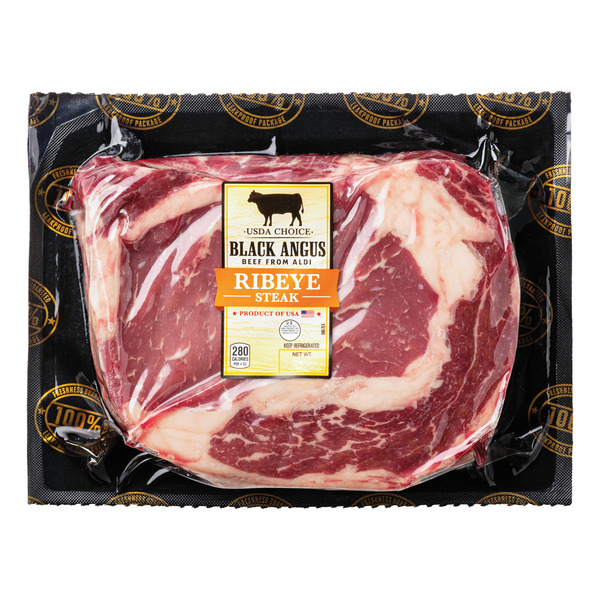
USDA Choice Black Angus Ribeye Steak
- Likely grain finished
- Likely grain finished
- Origin
- United States
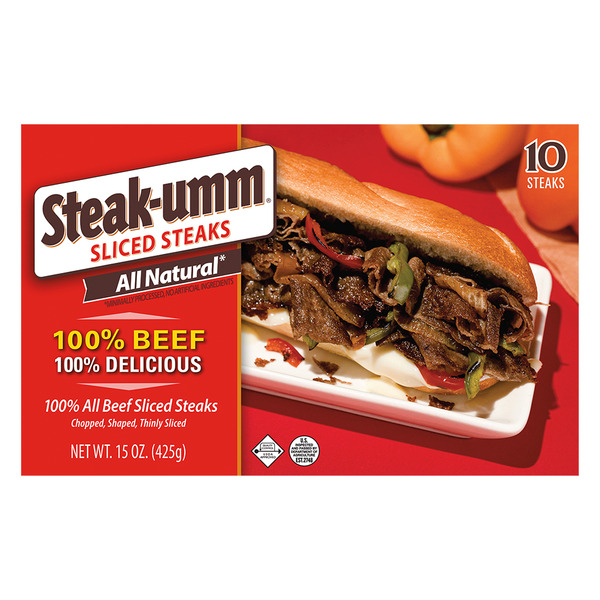
Steak-umm
Steak-umm 100% Beef Sliced Steaks, 10 Steaks, 15 oz
- Feed
- Not specified
- Origin
- Not specified
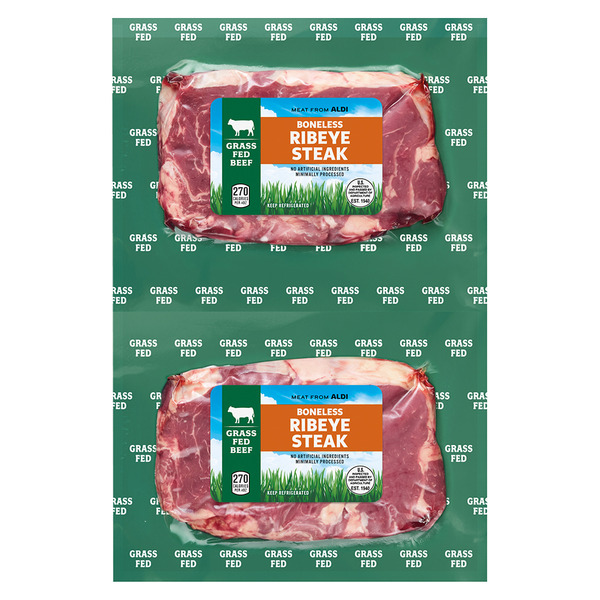
Grass-Fed Boneless Ribeye Steak
- 100% grass-fed
- 100% grass-fed
- Origin
- United States