
Butcher Shop Ground Beef 85% Lean / 15% Fat
85/15 ground beef, likely including grain-finished beef; the actual cattle mix and feeding diets remain unconfirmed.
A CLOSER LOOK
The food facts.
Negatives
Likely some grain-finished beefMediocre
Likely includes grain-finished beef. Conventional retail blends commonly use trim from grain-finished cattle, sometimes mixed with other beef. This is an inference, not a disclosed recipe.
More info
Mediocre
Likely includes grain-finished beef. Conventional retail blends commonly use trim from grain-finished cattle, sometimes mixed with other beef. This is an inference, not a disclosed recipe.
This sourcing preference favors lifetime forage feeding. The product identity and conventional retail market support likely grain inclusion; an industry pattern is not a lot-level observation. No safety or residue conclusion follows.
Grain finishing supplies energy-dense feed for weight gain and marbling before slaughter. We would choose grass and forage for cattle. In beef comparisons, forage feeding generally produces more omega-3 fat and a lower omega-6 to omega-3 ratio.
Actual supplier, ration and grain proportion are unresolved.
Ground blends may include grass-fed trim; the inference does not apply to every animal.
Sources
- USDA cattle production and trade · Cattle feeding; U.S. beef trade
- USDA assessment of beef imports — July 2023 · Special article, p. 31: retail ground-beef trim
Non-GMO claim scope
It cannot confirm that its meat comes from animals fed only non-GMO feed.
Useful programme meaning without inventing a lot observation, medical outcome or quality rating.
This is the retailer’s claim boundary, not evidence that this animal ate GMO feed.
Organic and explicit non-GMO-feed programmes are excluded from this selection.
Sources
- Trader Joe’s product FAQ · Retained September 19, 2026 FAQ: animal feed and non-GMO ingredient programme
Product information
Origin & producer
Country of origin · United States
United States
Raised in · United States
United States
Brand · Trader Joe’s
Trader Joe’s
Processing
No added solution
Excellent
No added solution
Added solution introduces water and other ingredients into meat, changing what you are buying by weight.
Added solution introduces water and other ingredients into meat, changing what you are buying by weight.
Supplier food-safety audits · Annual food-safety audits required
Trader Joe’s requires annual GFSI-benchmarked food-safety audits for sites that process, pack, store or distribute its products. This supplier standard does not certify farm animal care or disclose this package’s audit results.
Annual benchmarked food-safety auditing is a stated supplier-control requirement. It does not establish farm welfare certification, independent product quality, current audit execution or a lot-level safety result.
Individual site audit bodies, findings, corrective actions and this package’s allocation were not recovered in this selection.
Sources
- Trader Joe’s Potential Vendor Requirements · Annual GFSI-benchmarked audits: processing, packing, storage and distribution sites. September19 body; October18 canonical rendered review.
Ingredients
Ingredients · Beef
Excellent
Beef
Plain meat best fits our ingredient preference. A simple ingredient list cannot rule out processing aids used earlier.
Ingredients describe what goes into the food. Processing treatments are covered separately.
Feed
Non-GMO claim scope · Non-GMO ingredients do not guarantee non-GMO feed
It cannot confirm that its meat comes from animals fed only non-GMO feed.
Useful programme meaning without inventing a lot observation, medical outcome or quality rating.
This is the retailer’s claim boundary, not evidence that this animal ate GMO feed.
Organic and explicit non-GMO-feed programmes are excluded from this selection.
Sources
- Trader Joe’s product FAQ · Retained September 19, 2026 FAQ: animal feed and non-GMO ingredient programme
How it's raised
Likely early pasture access
Likely some pasture access early in life in this conventional beef supply. Dairy-derived, imported or specialty inputs can differ; this does not establish pasture finishing.
The source cattle likely follow a pasture-based cow-calf start before later finishing. USDA cow-calf/stocker descriptions and the matched conventional line support this qualified pattern; an existing grain inference alone does not prove pasture. No exact herd, duration, lifelong access or welfare audit assigned.
Actual cattle mix, ranches and individual animal pasture histories remain unconfirmed.
Dairy-derived or other imported/specialty cattle can differ; this is not a grass-finished, year-round-outdoor or US-raising claim.
Sources
- USDA cattle production: cow-calf and stocker phases · UpdatedMay22 2025; cow-calf operations and cattle feeding: grazing before finishing
- Exact conventional beef product identity
An unknown answer does not mean “none.” Check your package for current details.
KEEP EXPLORING
Also in the meat aisle
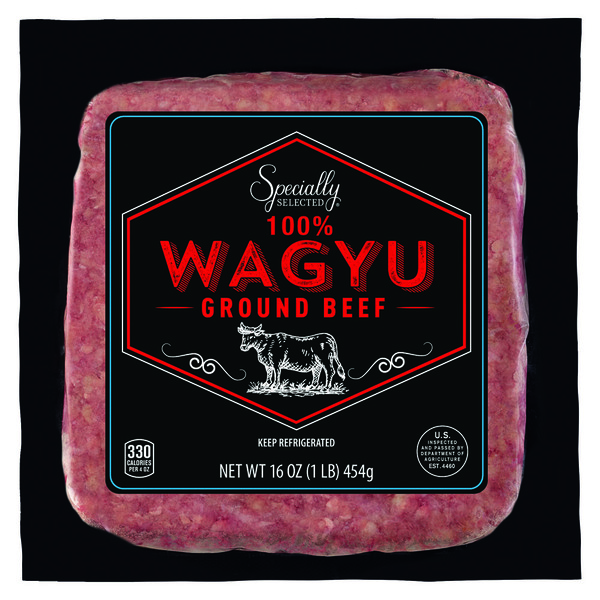
Specially Selected
Specially Selected 75% Lean/25% Fat Wagyu Ground Beef
- Likely grain finishing
- Likely grain-finished
- Origin
- Not specified
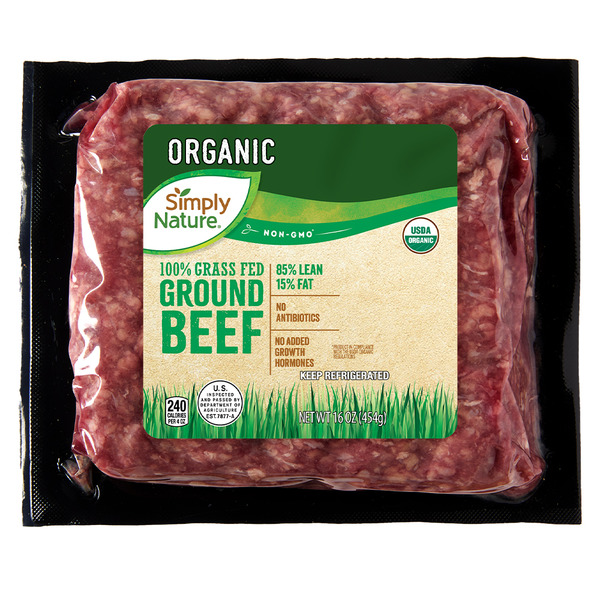
Simply Nature
Simply Nature Organic Grass Fed 85% Lean Ground Beef
- Feed
- 100% grass-fed
- Origin
- Australia, Uruguay, United States
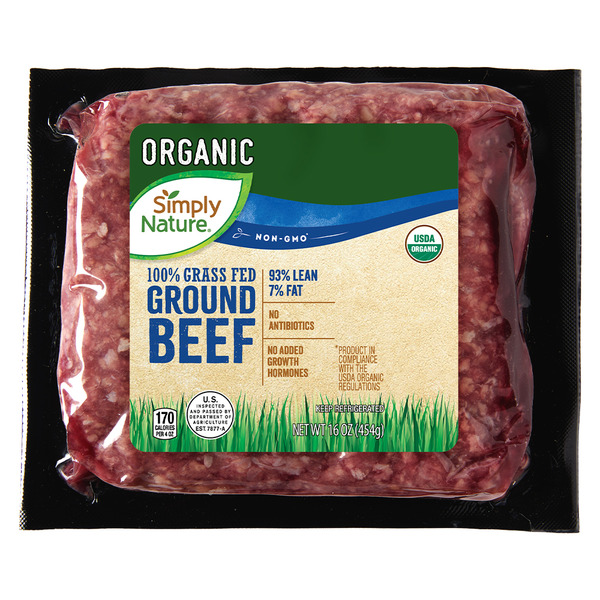
Simply Nature
Simply Nature Organic 100% Grass-Fed 93% Lean Ground Beef
- Feed and finishing
- 100% grass-fed organic non-GMO
- Origin
- Australia, Uruguay, United States