
Product images · Packaging may change
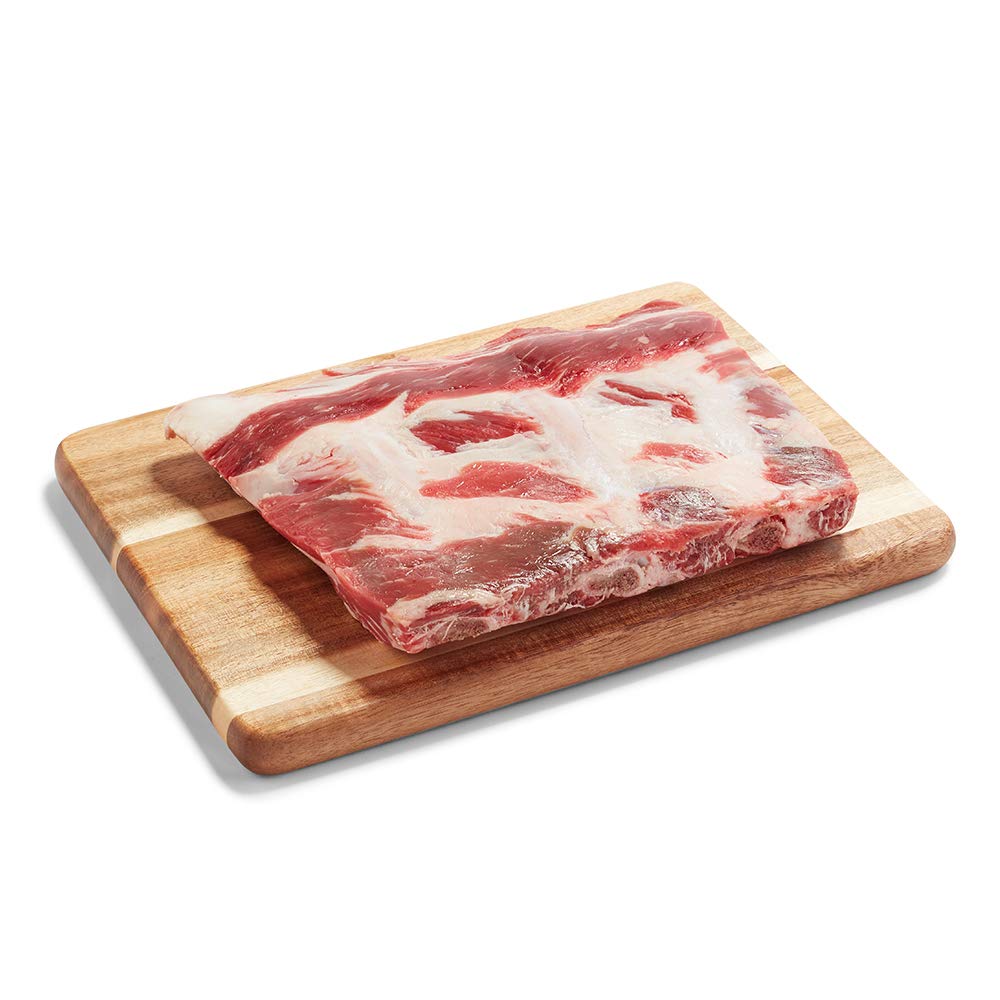
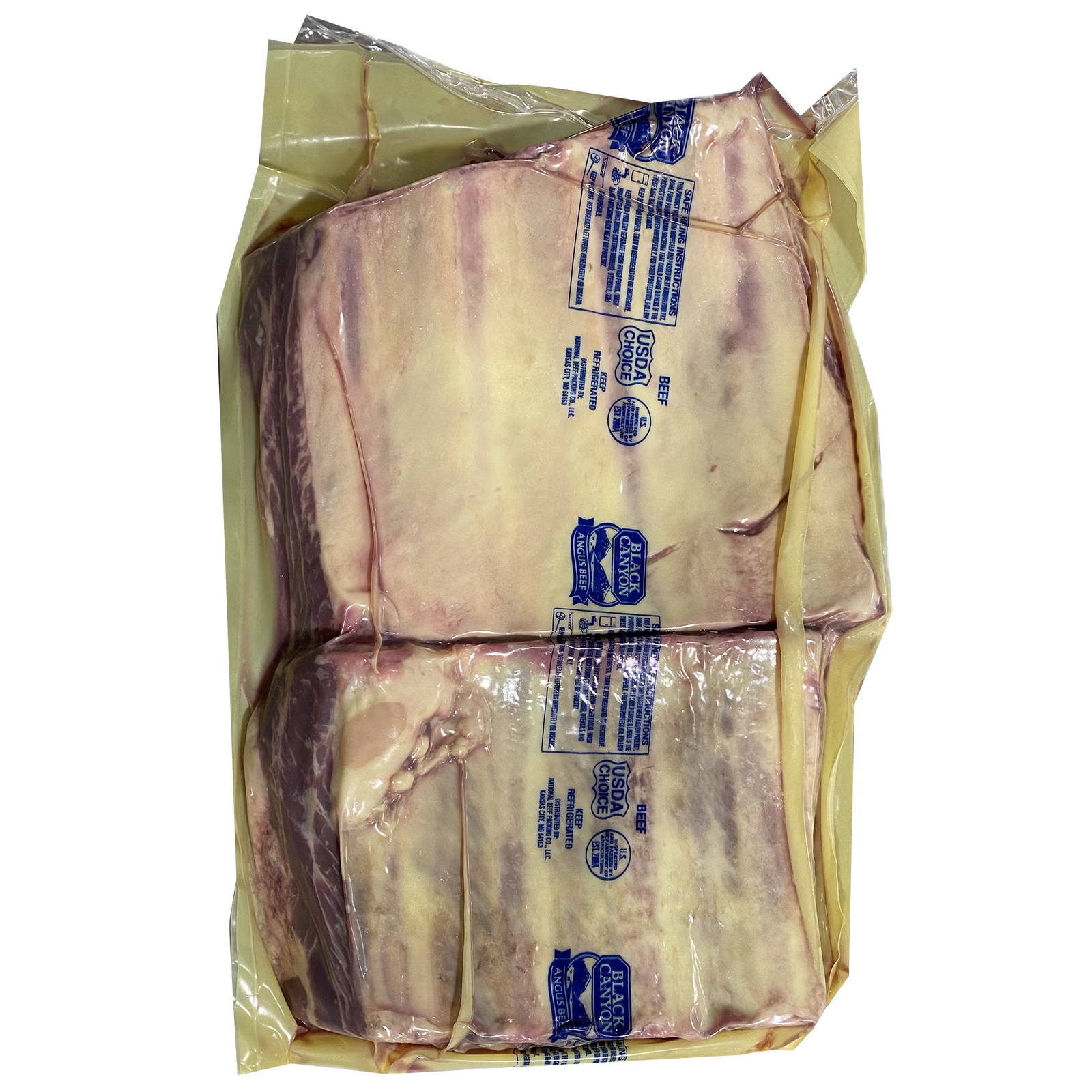
Beef Rib Back Rib Pasture Raised
Pasture-raised beef back ribs.
A CLOSER LOOK
The food facts.
Negatives
Likely grain finishedMediocre
Likely grain finished. This conventional beef cut fits the usual North American grain-finishing model described by USDA. The product’s actual finishing ration is not disclosed.
More info
Mediocre
Likely grain finished. This conventional beef cut fits the usual North American grain-finishing model described by USDA. The product’s actual finishing ration is not disclosed.
This sourcing preference favors lifetime forage feeding. The product identity and conventional retail market support likely grain inclusion; an industry pattern is not a lot-level observation. No safety or residue conclusion follows.
Grain finishing supplies energy-dense feed for weight gain and marbling before slaughter. We would choose grass and forage for cattle. In beef comparisons, forage feeding generally produces more omega-3 fat and a lower omega-6 to omega-3 ratio.
Actual supplier, ration and grain proportion are unresolved.
Specialty production or a newer package claim could change this inference.
Sources
- USDA cattle production and trade · Cattle feeding; U.S. beef trade
Product information
Feed
Feed exclusions · No animal by-products
Whole Foods’ Meat-department standards exclude animal by-products in feed. Its processing standards also prohibit irradiation, meat glue and lean finely textured beef.
Retailer department eligibility, not a farm feed log or complete processing-aid inventory.
Sources
How it's raised
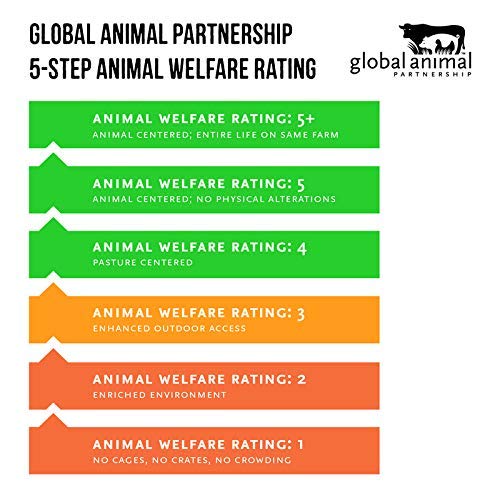
Conditions · Pasture-raised
Pasture-raised
Outdoor access · Yes
Yes
Slaughter welfare audits · Animal-welfare audits required at slaughter
Whole Foods requires animal-welfare audits at slaughter for its beef supply. This is a retailer requirement; the listing does not identify the slaughter plant or provide its audit result.
Separates the required oversight from an observed result or current processing allocation.
Antibiotics & hormones
No antibiotics
Excellent
No antibiotics
Routine antibiotic use can select for resistant bacteria. A no-antibiotics supply commitment keeps treated animals out of that programme; sick animals still need care.
Raised without antibiotics. Limiting routine antibiotic use helps reduce selection for antibiotic-resistant bacteria. Sick animals can still receive care and be kept out of this supply.
No added hormones
Excellent
No added hormones
Added growth hormones accelerate weight gain. We would choose meat raised without that intervention.
A no-added-hormones commitment excludes hormone treatments used to accelerate weight gain.
Origin & producer
Dated origin label · U.S.-born, raised and harvested (August 2024 pack)
A Portland package packed August 23, 2024 states born, raised and harvested in the USA, with USDA Choice grading. This dated package observation does not establish every current lot’s origin or grade.
Preserves concrete package evidence while separating dated observation from current programme facts.
Packed-for retail address is not an upstream establishment; no current farm, supplier or numbered welfare tier established.
Source-site illness allegations are not independently verified and are not selected.
Processing
Historical cross-contact warning · 2024 label: shared-area allergen warning
The August 2024 label warns of possible allergens from shared production areas, without naming them. This is a dated cross-contact warning; it does not establish an added ingredient or contamination in current packages.
Preserves concrete package evidence while separating dated observation from current programme facts.
Packed-for retail address is not an upstream establishment; no current farm, supplier or numbered welfare tier established.
Source-site illness allegations are not independently verified and are not selected.
An unknown answer does not mean “none.” Check your package for current details.
KEEP EXPLORING
Also in the meat aisle
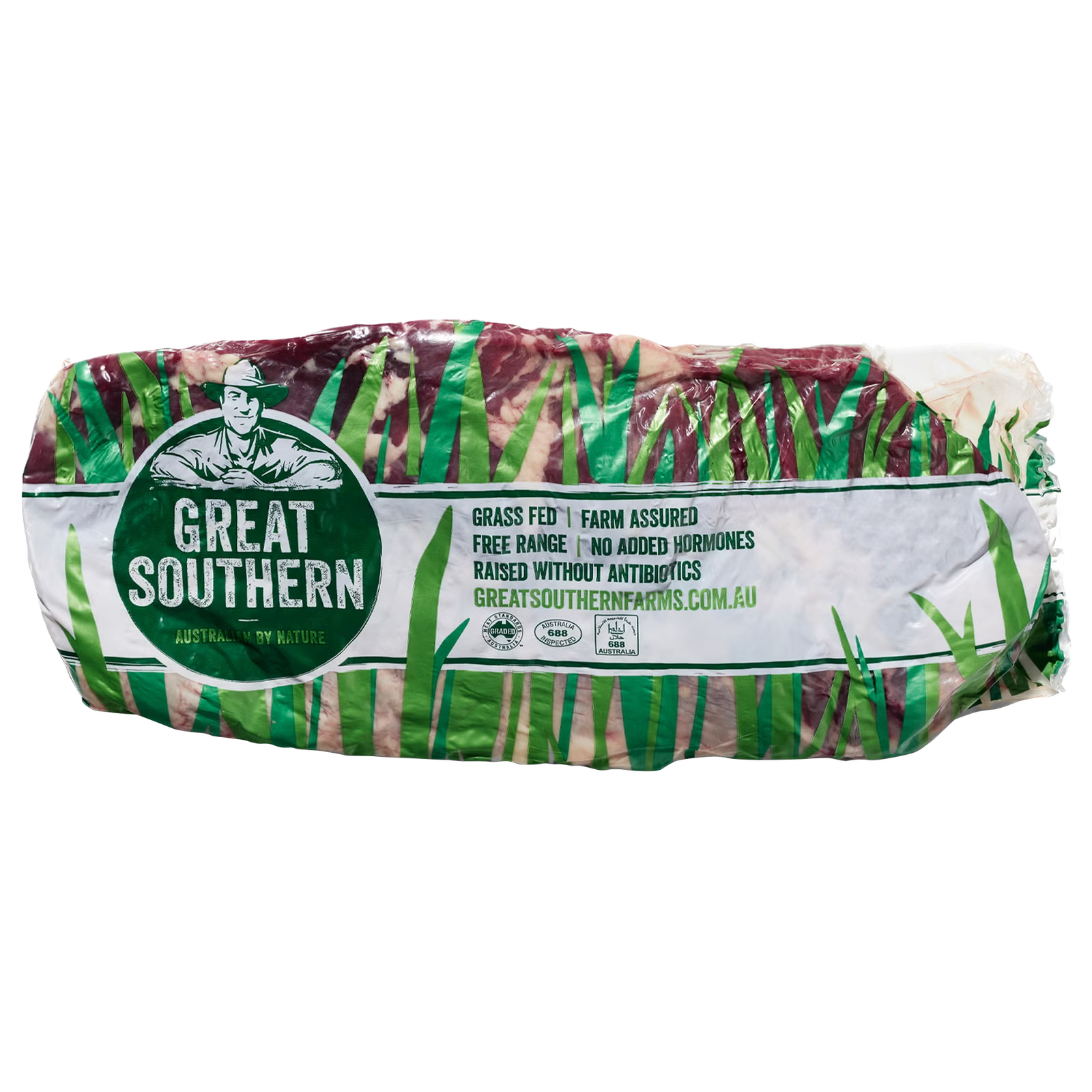
Great Southern
Halal Beef Flap Meat, 14 lb avg wt
- Feed
- 100% grass-fed
- Origin
- Australia
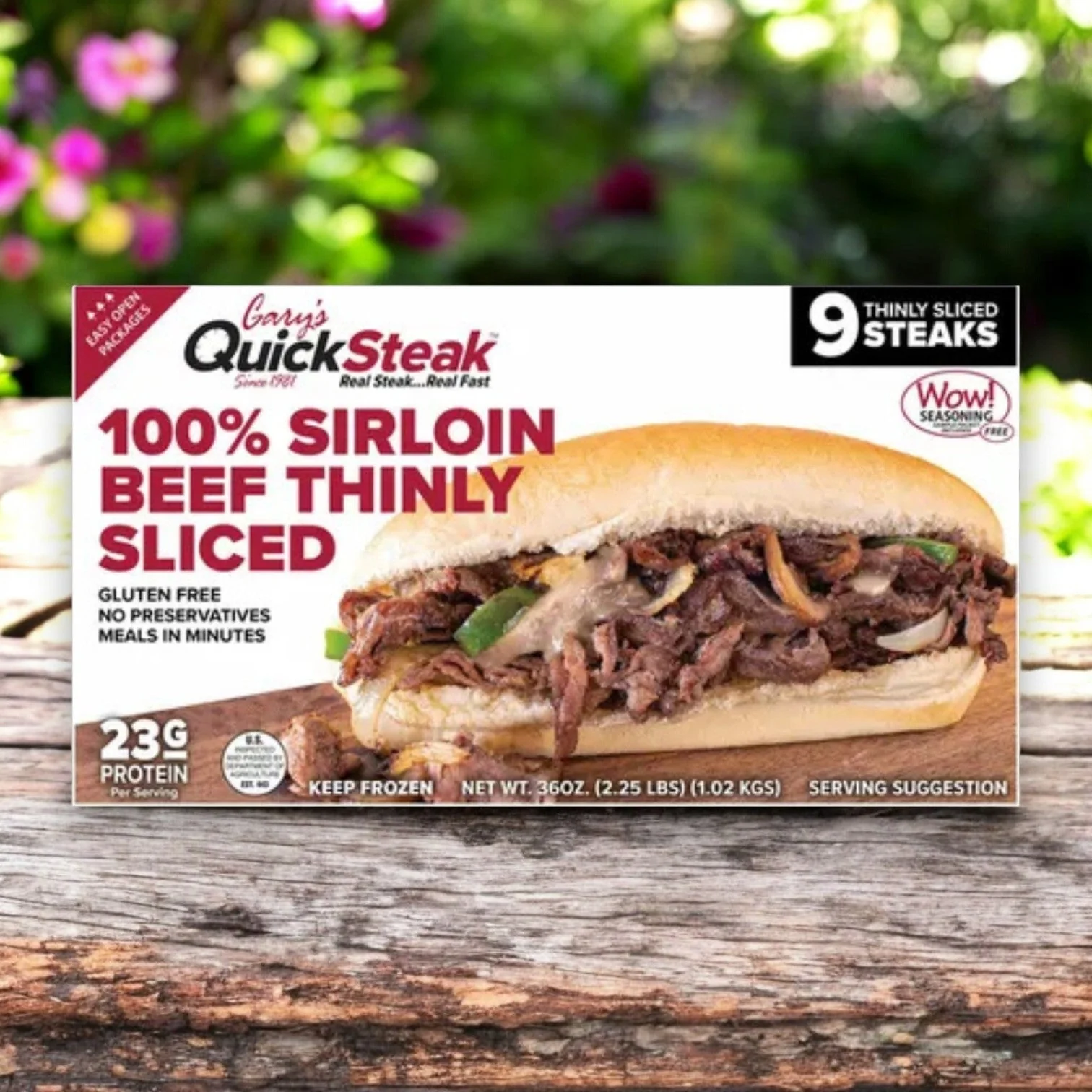
Gary’s Quick Steak
Gary's Quick Steak, 36 oz
- Likely grain-fed source cattle
- Likely grain-fed source cattle
- Processed in
- Omaha, Nebraska, United States
Black Canyon Angus Beef
USDA Choice Beef Short Ribs, 16 lb avg wt
- Feed
- Grain-finished
- Processed in
- Liberal, Kansas, United States