
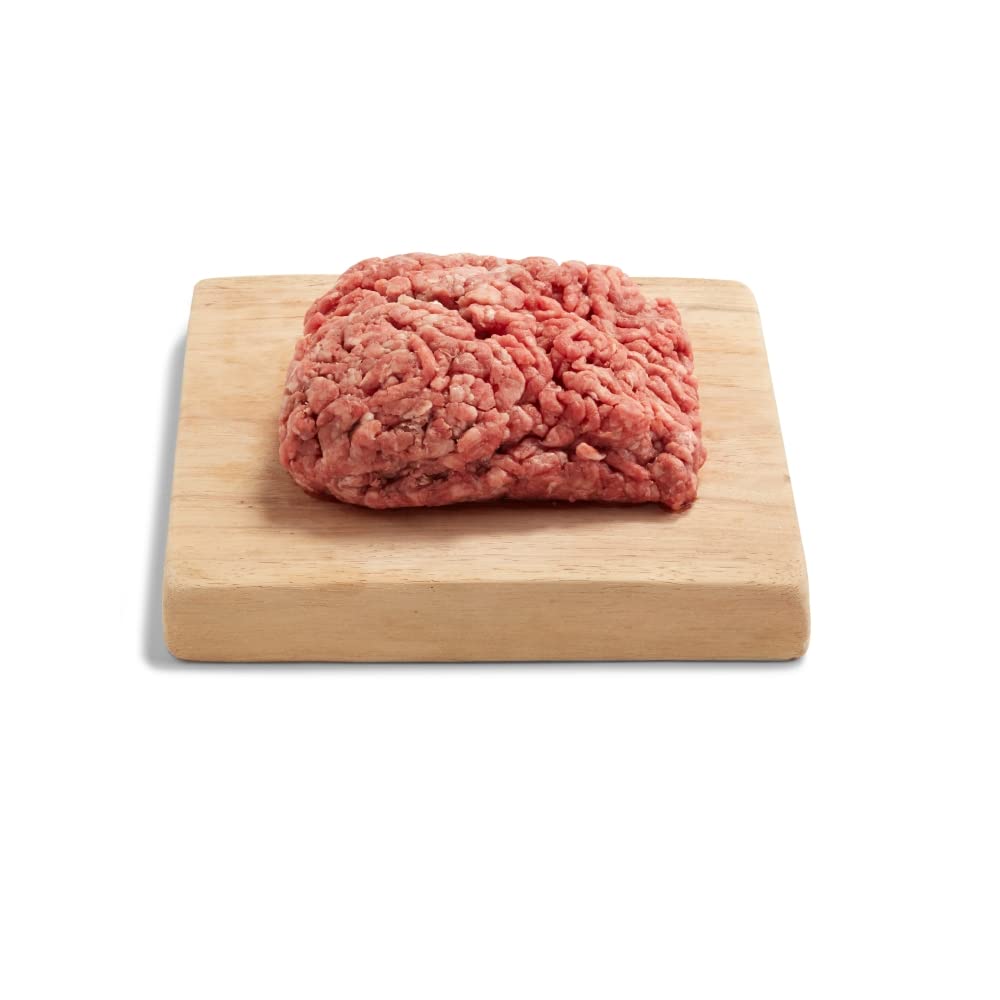
Product images · Packaging may change
Adams Ranch 80/20 Ground Beef
Florida pasture-raised beef, grain-finished for 3–4 months.
Feed
Grain-finished; Diet includes grass / forage + cornOutdoor access
Year-round outdoor accessFinishing
Feedlot-finishedCertifications
G.A.P. Animal Welfare Certified — Step 4Origin
United StatesA CLOSER LOOK
The food facts.
Negatives
FeedGrain-finished; Diet includes grass / forage + cornMediocre
Finished for 3–4 months on North Florida pasture with corn, hay and other grains.
More info
Mediocre
Cattle graze before finishing for 3–4 months on North Florida grass pasture with corn, hay and other grains.
A lifetime forage diet excludes grain, including during finishing. Grass-fed beef generally has more omega-3 fat and a lower omega-6 to omega-3 ratio than grain-fed beef.
Corn and other grains supplement pasture and hay during finishing; pasture raising alone does not mean grass finishing.
Grain finishing supplies energy-dense feed for weight gain and marbling before slaughter. We would choose grass and forage for cattle. In beef comparisons, forage feeding generally produces more omega-3 fat and a lower omega-6 to omega-3 ratio.
Complete ration and ingredient proportions are undisclosed.
FinishingFeedlot-finishedBad
Finished for 3–4 months on North Florida pasture with corn, hay and other grains.
More info
Bad
Finished for 3–4 months on North Florida pasture with corn, hay and other grains. The finishing site is a feedlot with grass-pasture access.
Feedlot finishing concentrates animals in pens around supplied feed, limiting their freedom to graze and range. The placement is Bad whether the finishing ration contains grass, grain or both.
Adams calls the finishing site a feedlot and says cattle remain on grass pasture while receiving corn, hay and other grains. The Whole Foods listing describes cattle as always on pasture and says no feedlots; the sources use different wording for finishing.
Feedlot finishing concentrates animals in pens around supplied feed, limiting their freedom to graze and range. The placement is Bad whether the finishing ration contains grass, grain or both.
Complete ration and ingredient proportions are undisclosed.
The retailer and producer descriptions use different feedlot terminology; neither identifies this package’s finishing site.
Product information
Origin & producer
Related businesses
Country of origin · United States
United States
Born, raised & harvested in · Florida, United States
Born, raised and harvested in Florida under the Adams Ranch Natural Beef programme. The exact supplying property is unconfirmed.
The programme describes birth, raising, feeding and harvest in Florida; the supplying property for a package is not identified.
Programme evidence does not identify the supplying parcel or current retail lot.
Brand · Adams Ranch
Adams Ranch
Quincey finishing and Fort McCoy processing
The 2022 programme route names Quincey Cattle Co. in Chiefland for finishing and FM Meat Products in Fort McCoy for processing. Current package-specific routing is unconfirmed.
This route was reported in 2022; the finishing site and processor for a current package are unconfirmed.
Other lots, partner properties and component animals may differ; no broader supplier practices are inherited.
Feed
Feed exclusions · No animal by-products
No animal by-products
How it's raised
Conditions · Pasture-raised
Pasture-raised
Outdoor access · Year-round
Cattle breed, calve and grow on open pasture, retaining grass-pasture access during the final 3–4 months of grain finishing. Temporary removal for weather or animal welfare is permitted.
Actual programme pasture practices explain outdoor access; pasture access does not establish grass finishing. Temporary weather/welfare removal remains visible.
Programme evidence does not identify the supplying parcel or current retail lot.
Sources
How it's raised notes · Cattle retain grass-pasture access during 3–4 months of grain finishing at a feedlot.
Cattle retain grass-pasture access during 3–4 months of grain finishing at a feedlot.
Antibiotics & hormones
No antibiotics
Excellent
No antibiotics in the Natural Beef programme; cattle needing antibiotics are treated and leave the programme.
Routine antibiotic use can select for resistant bacteria. A no-antibiotics supply commitment keeps treated animals out of that programme; sick animals still need care.
Adams Ranch says sick cattle receive needed antibiotics and then leave its beef program. Its no-antibiotics claim does not mean care is withheld.
Raised without antibiotics. Limiting routine antibiotic use helps reduce selection for antibiotic-resistant bacteria. Sick animals can still receive care and be kept out of this supply.
Program eligibility does not provide the treatment history of this animal.
Sources
No added hormones
Excellent
Cattle in its Natural Beef programme are raised without added growth hormones.
Added growth hormones accelerate weight gain. We would choose meat raised without that intervention.
The producer describes a programme-wide exclusion of added growth hormones.
A no-added-hormones commitment excludes hormone treatments used to accelerate weight gain.
The programme statement does not provide an individual animal record.
Processing
No added solution
Excellent
No added solution
Added solution introduces water and other ingredients into meat, changing what you are buying by weight.
Added solution introduces water and other ingredients into meat, changing what you are buying by weight.
Certifications
Certifications · G.A.P. Animal Welfare Certified — Step 4
Whole Foods previously listed this product as G.A.P. Step 4, Pasture Centered.
The Step 4 beef standard requires at least three quarters of life on pasture or range, with limited exceptions for seasonal conditions or animal welfare.
The listing is a product claim; the current certificate and individual farm audit were not supplied.
An unknown answer does not mean “none.” Check your package for current details.
KEEP EXPLORING
Also in the meat aisle
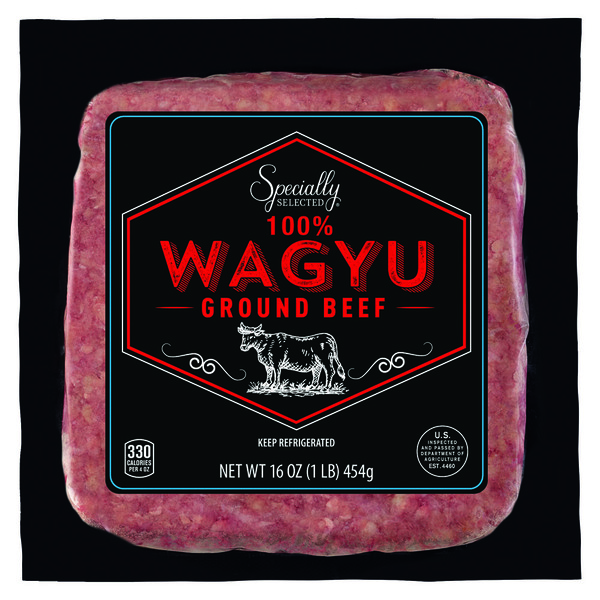
Specially Selected
Specially Selected 75% Lean/25% Fat Wagyu Ground Beef
- Likely grain finishing
- Likely grain-finished
- Origin
- Not specified
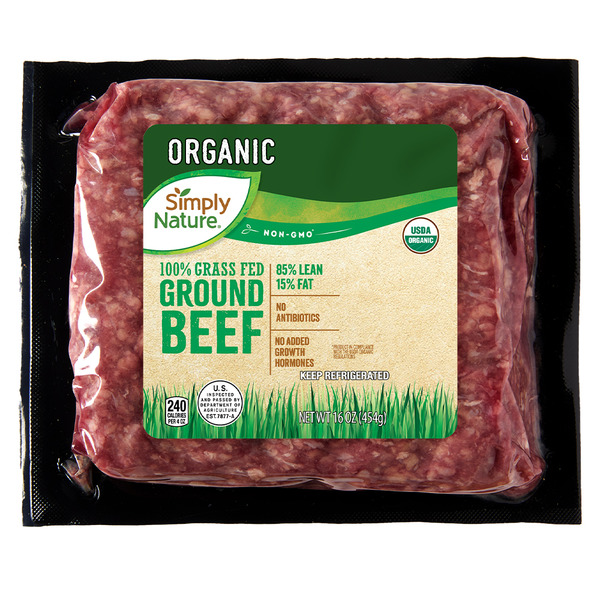
Simply Nature
Simply Nature Organic Grass Fed 85% Lean Ground Beef
- Feed
- 100% grass-fed
- Origin
- Australia, Uruguay, United States
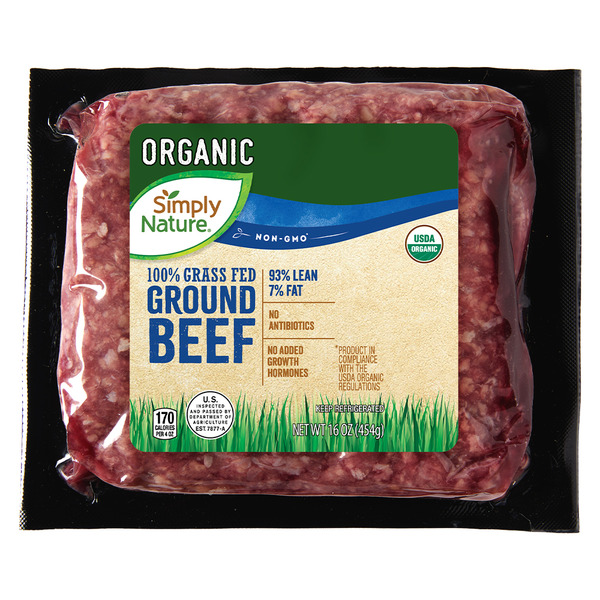
Simply Nature
Simply Nature Organic 100% Grass-Fed 93% Lean Ground Beef
- Feed and finishing
- 100% grass-fed organic non-GMO
- Origin
- Australia, Uruguay, United States