
Product images · Packaging may change
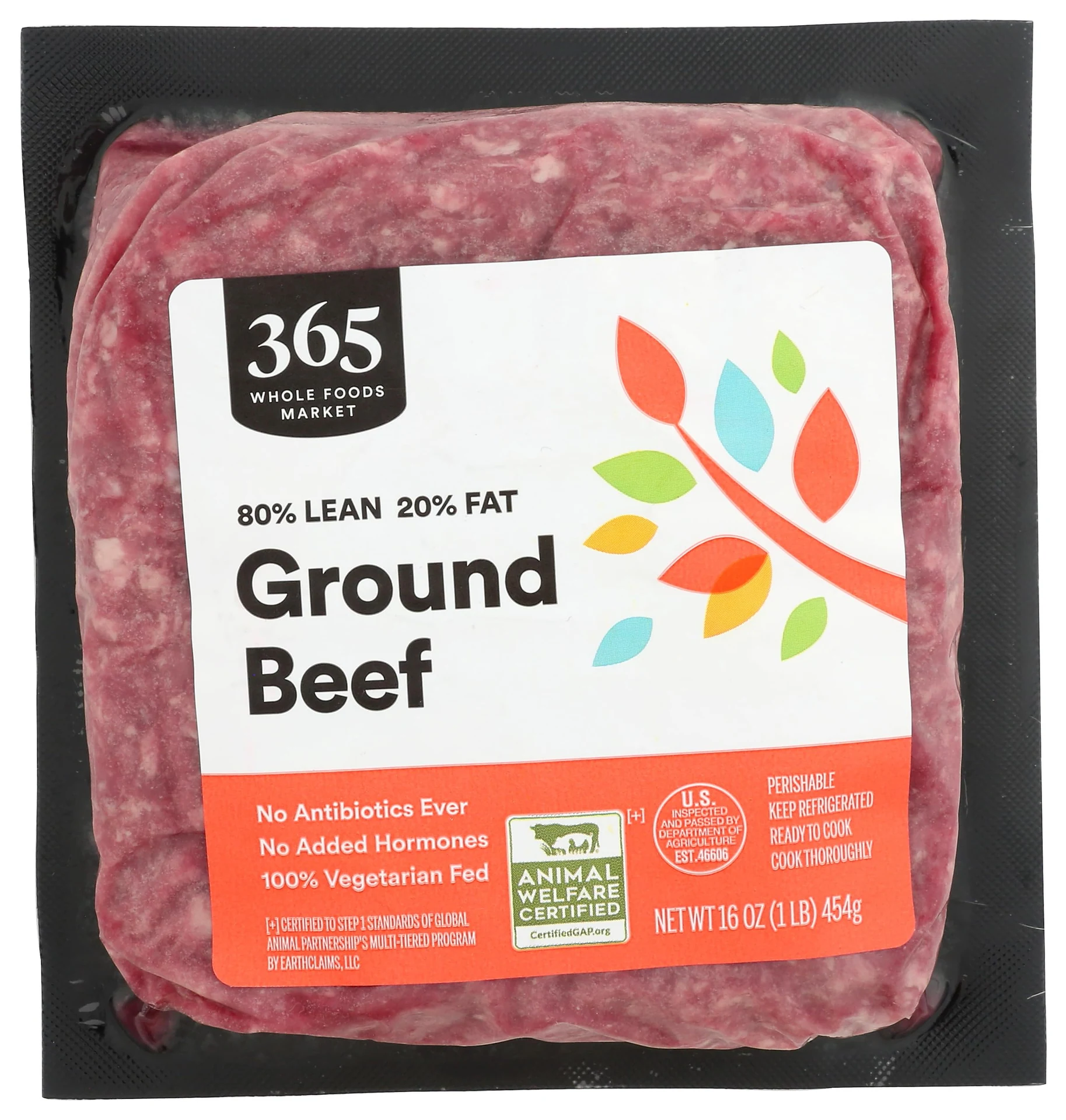
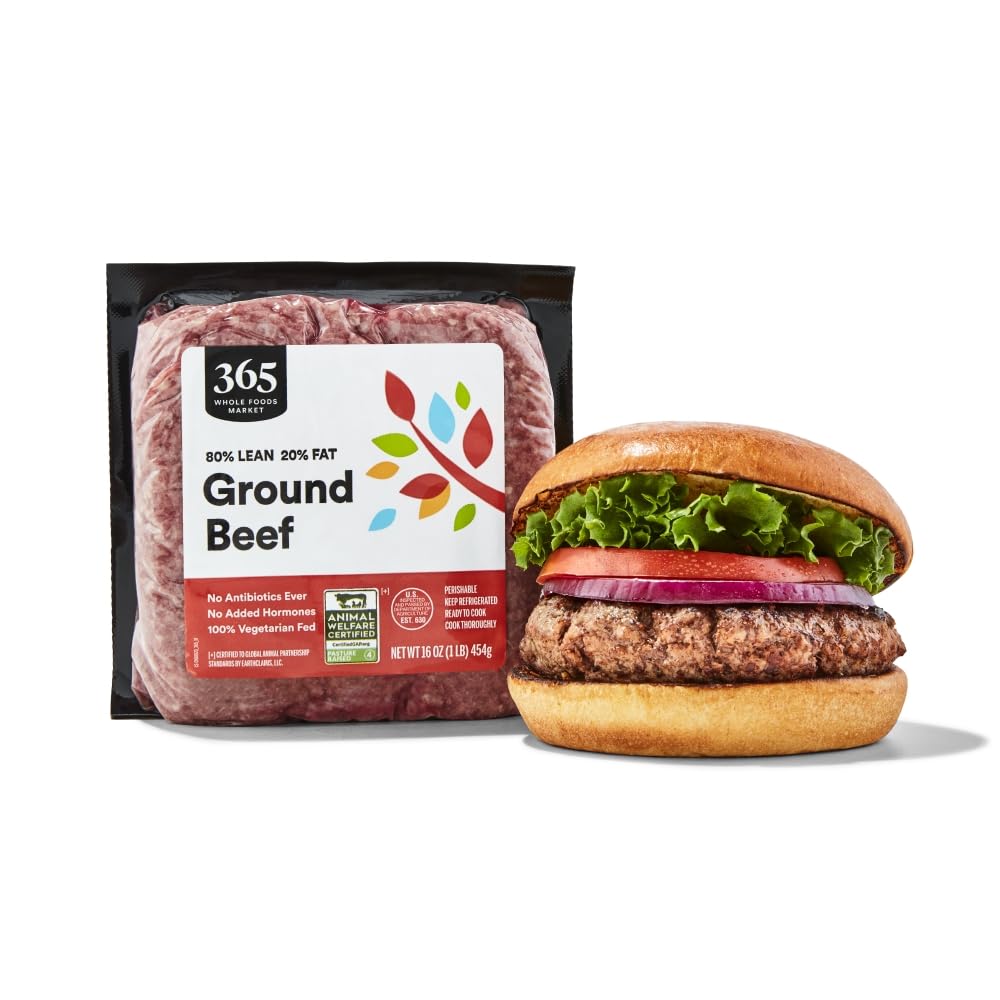
365 by Whole Foods Market Ground Beef 80% Lean/20% Fat, 16 OZ
80/20 ground beef. Retained package versions show Pineland in Maine or CS Beef in Idaho.
Certifications
G.A.P. Animal Welfare CertifiedOrigin
United StatesFinishing
Likely includes grain-finished beefA CLOSER LOOK
The food facts.
Negatives
FinishingLikely includes grain-finished beefMediocre
Likely includes grain-finished beef, based on the documented Pineland supplier programme. Package-source versions vary.
More info
Mediocre
Grain finishing is inferred for this conventional 365 range. Pineland’s supplier programme uses a grain finish.
2table prefers lifetime forage feeding. Grain finishing is a sourcing preference distinction, not a measured health effect or residue finding.
Grain finishing supplies energy-dense feed for weight gain and marbling before slaughter. We would choose grass and forage for cattle. In beef comparisons, forage feeding generally produces more omega-3 fat and a lower omega-6 to omega-3 ratio.
The one-pound record also has a separate EST. 630/Step 4 source version; Pineland is not assigned to every unit.
No grain proportions, finishing duration, GMO-feed rule or retail-lot farm is selected.
Sources
- Pineland producer requirements, 2025–26 · Printed p.63 / PDF p.65: grain finishing, animal-by-product exclusion and G.A.P. Base-or-higher eligibility
- Exact 365 package front · Retained exact-item artwork; processing/supplier evidence is distinct from an animal ration
- Certified Humane producer directory · Retained September 2026 Pineland/365 ground-beef 80/20 and 90/10 association; not an exact-ASIN or every-lot certificate
Product information
Origin & producer
Country of origin · United States
U.S. origin. Undated artwork alone does not establish the animal’s full U.S. life history.
A sourcing or preparation fact, without a new quality, health, residue or ecological rating.
The artwork has a 2023 copyright, not a production date.
This does not assign a birth, raising or slaughter country from an undated label alone.
Sources
Brand · 365 by Whole Foods Market
365 by Whole Foods Market
Pictured processors: Maine or Idaho
Retained 365 80/20 artwork shows Pineland’s EST. 46606 in New Gloucester, Maine. A separate image shows CS Beef’s EST. 630 in Kuna, Idaho. These are different pictured versions; current packages may differ.
Actual scoped source or programme answer; sourceversions are distinct and no health or residue outcome inferred.
Actual currentpackage/lot and upstreamfarm remainunallocated.
Feed
Feed exclusions · No animal by-products
No animal by-products
Antibiotics & hormones
No antibiotics
Excellent
No antibiotics
Routine antibiotic use can select for resistant bacteria. A no-antibiotics supply commitment keeps treated animals out of that programme; sick animals still need care.
Raised without antibiotics. Limiting routine antibiotic use helps reduce selection for antibiotic-resistant bacteria. Sick animals can still receive care and be kept out of this supply.
No added hormones
Excellent
No added hormones
Added growth hormones accelerate weight gain. We would choose meat raised without that intervention.
A no-added-hormones commitment excludes hormone treatments used to accelerate weight gain.
Processing
No added solution
Excellent
No added solution
Added solution introduces water and other ingredients into meat, changing what you are buying by weight.
Added solution introduces water and other ingredients into meat, changing what you are buying by weight.
CS Beef plant treatments (2025–26) · 5 named treatments
5 named treatments
Hot waterCS Beef: hot-water washes (2025–26)Unrated
Hot-water pre-evisceration and carcass washes at CS Beef, EST. 630. Hot-water use was recorded in September 2025; the May 2026 letter lists both stages. Plant context, not a treatment log for this package.
These interventions reduce microbial contamination during processing. Documented plant use is not an exact-package exposure, measured residue or evidence of consumer harm.
Chemical concentrations, contact times and retail-lot treatment are not established.
The May 2026 carcass-spray list includes alternatives; not every chemical is assigned to every package.
This context covers the CS Beef version only; it is not inherited by Pineland-made packages.
Lactic acidCS Beef: lactic-acid sprays (2025–26)Unrated
Lactic acid was applied at CS Beef during its September 2025 audit. The May 2026 letter lists it among carcass-spray options and for trim/subprimals. Plant context, not proof of treatment of this package.
These interventions reduce microbial contamination during processing. Documented plant use is not an exact-package exposure, measured residue or evidence of consumer harm.
Chemical concentrations, contact times and retail-lot treatment are not established.
The May 2026 carcass-spray list includes alternatives; not every chemical is assigned to every package.
This context covers the CS Beef version only; it is not inherited by Pineland-made packages.
Acidified sodium chloriteCS Beef: ASC sprays (2025–26)Unrated
CS Beef’s September 2025 audit names acidified sodium chlorite at production stages. Its May 2026 letter lists carcass and trim/subprimal sprays. Plant context; the treatment used on this package is unassigned.
These interventions reduce microbial contamination during processing. Documented plant use is not an exact-package exposure, measured residue or evidence of consumer harm.
Chemical concentrations, contact times and retail-lot treatment are not established.
The May 2026 carcass-spray list includes alternatives; not every chemical is assigned to every package.
This context covers the CS Beef version only; it is not inherited by Pineland-made packages.
Peracetic acidCS Beef: PAA use (September 2025 audit)Unrated
Peracetic acid was applied at CS Beef during its September 2025 audit. The May 2026 letter lists it among carcass-spray options. This documents plant use, not that every package received PAA.
These interventions reduce microbial contamination during processing. Documented plant use is not an exact-package exposure, measured residue or evidence of consumer harm.
Chemical concentrations, contact times and retail-lot treatment are not established.
The May 2026 carcass-spray list includes alternatives; not every chemical is assigned to every package.
This context covers the CS Beef version only; it is not inherited by Pineland-made packages.
Hypobromous acidCS Beef: spray chilling (2025–26)Unrated
Hypobromous-acid spray chilling appears in CS Beef’s September 2025 audit and May 2026 letter. This is a plant-stage treatment, not proof that this package received it or a measurement of residues.
These interventions reduce microbial contamination during processing. Documented plant use is not an exact-package exposure, measured residue or evidence of consumer harm.
Chemical concentrations, contact times and retail-lot treatment are not established.
The May 2026 carcass-spray list includes alternatives; not every chemical is assigned to every package.
This context covers the CS Beef version only; it is not inherited by Pineland-made packages.
Antimicrobial trim treatment (2021 account)
2021 Pineland account: Elite 360 applied antimicrobial solution to beef trim for grinding. The chemical and current treatment of this package are unconfirmed.
Actual scoped practice or sourcing context, not a measured clinical, residue or ecological outcome.
Historical Pineland supplier context; other supplier versions are not covered.
The separate whole-muscle PAA trial does not identify the grinder solution or current package treatment.
Ingredients
Ingredients · Ground beef
Excellent
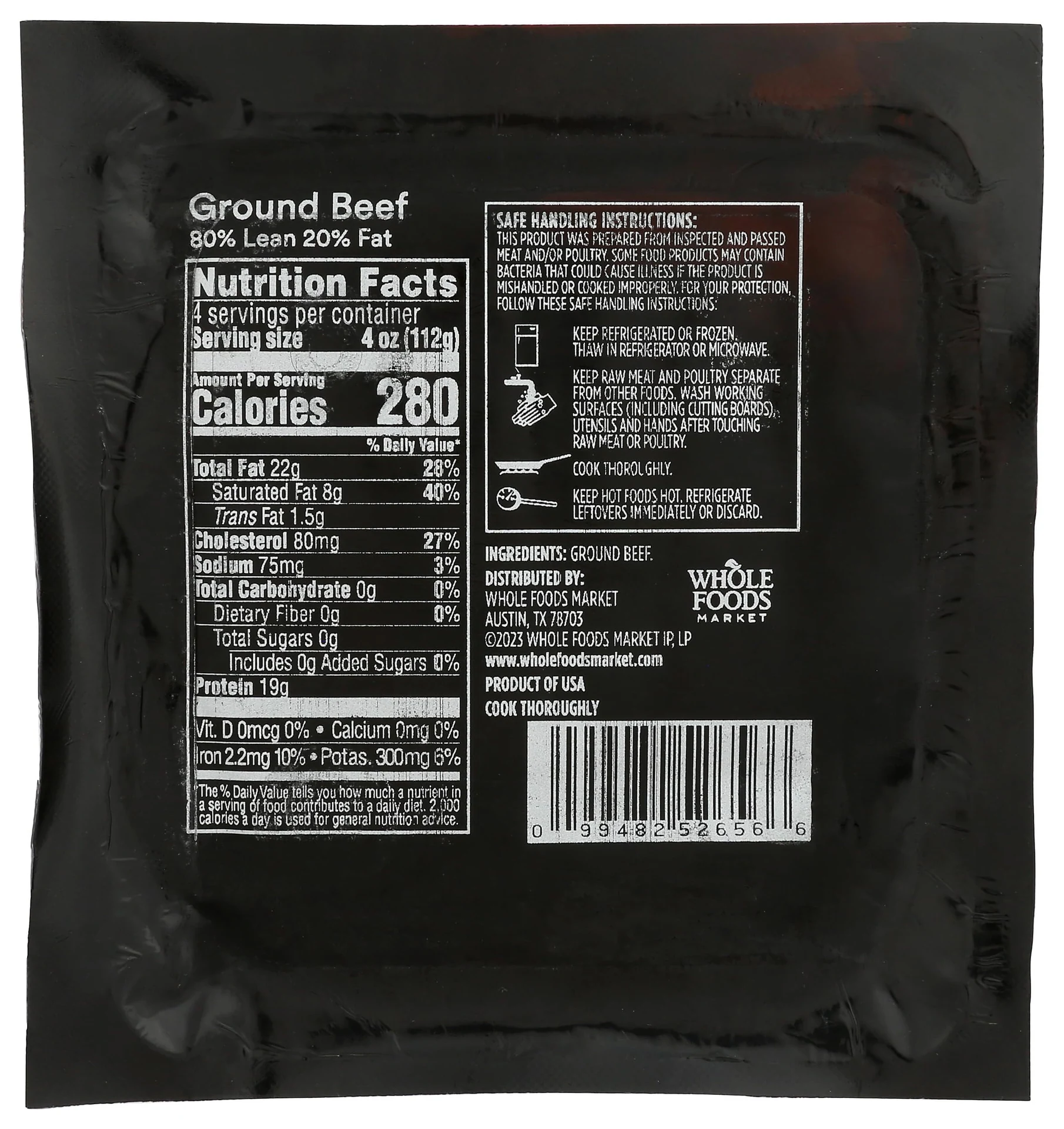
The pictured rear label lists ground beef as the ingredient. Package versions may differ.
Plain meat best fits our ingredient preference. A simple ingredient list cannot rule out processing aids used earlier.
The ingredient declaration does not describe all processing aids.
Ingredients describe what goes into the food. Processing treatments are covered separately.
Undated artwork does not establish an individual received package.
Certifications
Certifications · G.A.P. Animal Welfare Certified
G.A.P. Animal Welfare Certified
Certifications notes · Package images show different G.A.P. tiers. The numeric tier is not assigned.
Package images show different G.A.P. tiers. The numeric tier is not assigned.
How it's raised
Pasture for at least two-thirds of life
Pasture or range for at least two-thirds of life when seasonal conditions permit; finishing-removal rules depend on the certification tier.
The certification’s minimum supports the pasture-access preference. It does not establish pasture finishing or a measured grazing history.
Step-specific finishing and weather rules differ; no exact step or year-round pasture duration is invented.
A programme requirement is not a farm attendance log.
Sources
- G.A.P. beef standard v1.2 · §7.1.1–7.1.2: Base Steps 1–2, Step 4 and Steps 5–5+ requirements
- Pineland producer programme · All supplying farms: G.A.P. Base Certification or higher
An unknown answer does not mean “none.” Check your package for current details.
KEEP EXPLORING
Also in the meat aisle
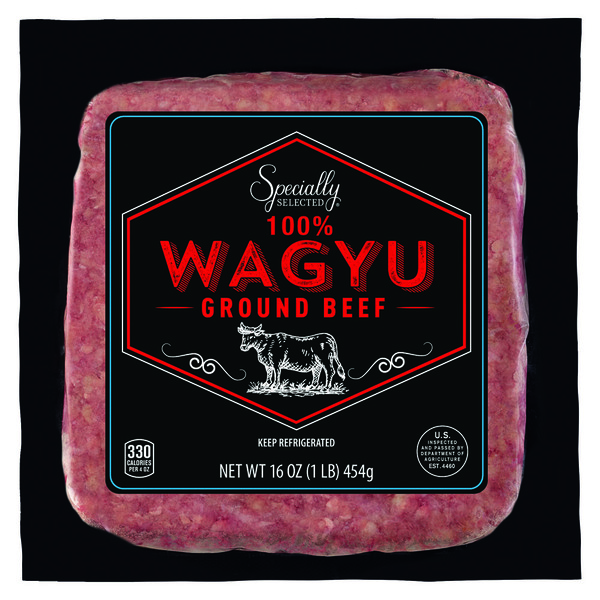
Specially Selected
Specially Selected 75% Lean/25% Fat Wagyu Ground Beef
- Likely grain finishing
- Likely grain-finished
- Origin
- Not specified
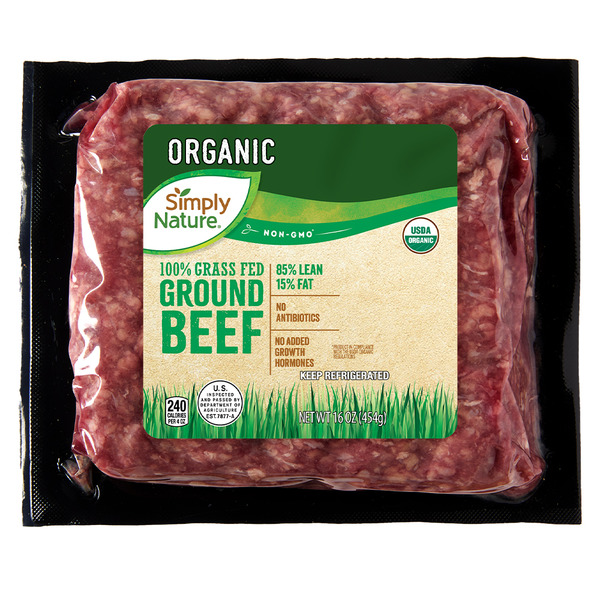
Simply Nature
Simply Nature Organic Grass Fed 85% Lean Ground Beef
- Feed
- 100% grass-fed
- Origin
- Australia, Uruguay, United States
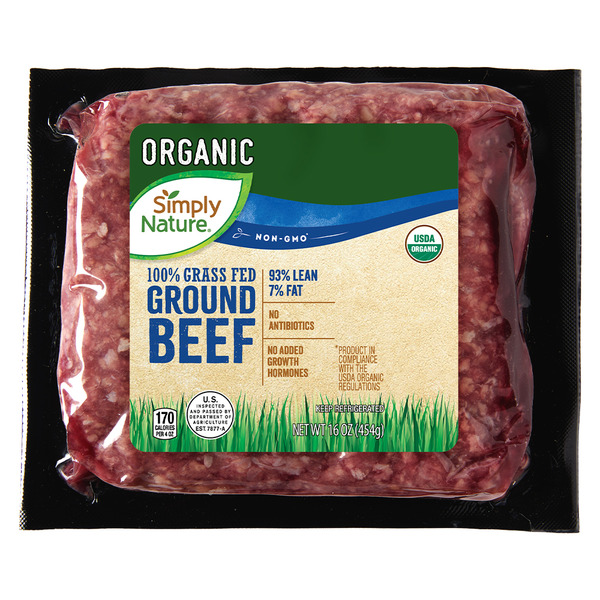
Simply Nature
Simply Nature Organic 100% Grass-Fed 93% Lean Ground Beef
- Feed and finishing
- 100% grass-fed organic non-GMO
- Origin
- Australia, Uruguay, United States