
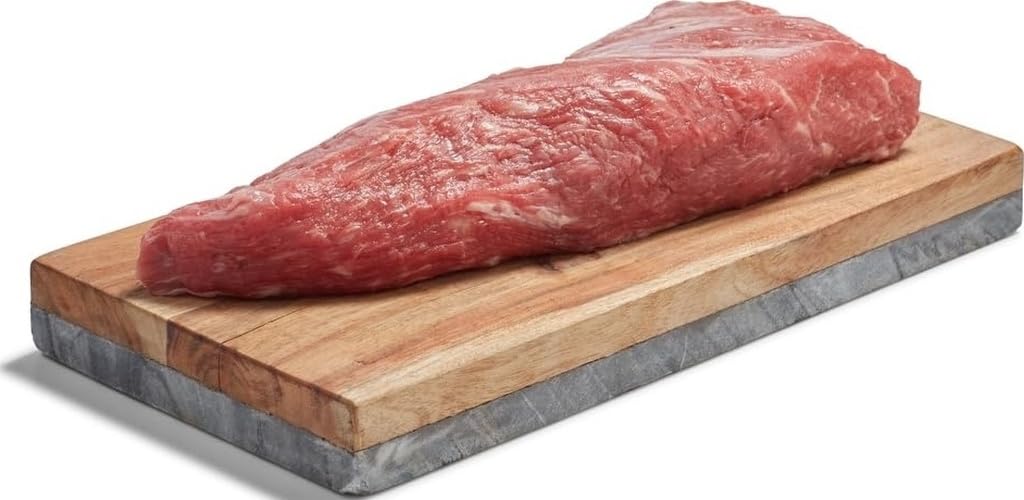
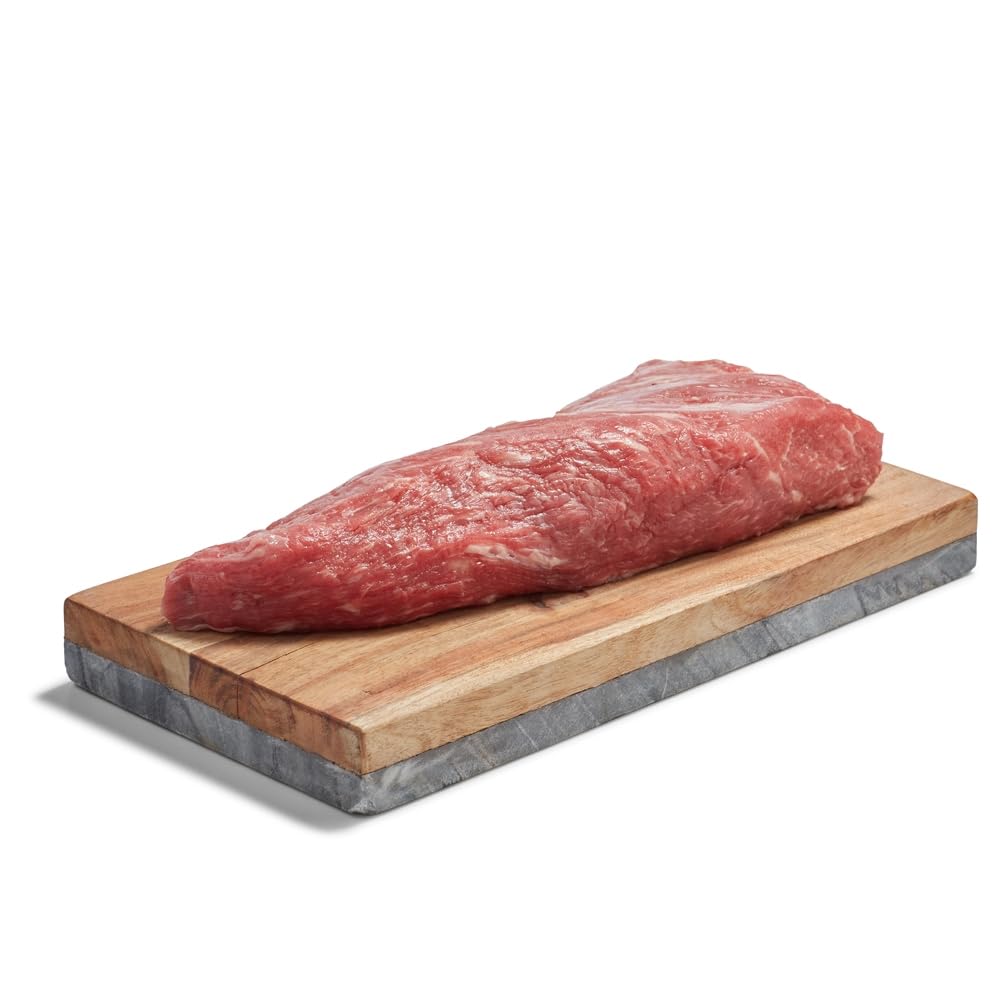
Product images · Packaging may change
OrganicOasis Beef Organic Beef Tri Tip
Organic tri-tip with organic non-GMO feed. G.A.P. welfare certified; step unspecified.
Outdoor access
Year-round outdoor accessFeed
Organic, non-GMO feedCertifications
USDA Organic, G.A.P. Animal Welfare CertifiedA CLOSER LOOK
The food facts.
Positives
FeedOrganic, non-GMO feedGood
Organic, non-GMO feed
More info
Good
Yes
Organic feed standards restrict synthetic pesticides and exclude genetically engineered crops. Organic grain is still grain.
Organic feed standards restrict synthetic pesticides and exclude genetically engineered crops. Organic grain is still grain.
GMO feed
Good
Excluded
A non-GMO feed commitment excludes genetically engineered feed crops. It rules out those crops in the ration.
Non-GMO feed excludes genetically engineered crops from the ration.
Organic non-GMO feed
Organic agricultural feed; GMO feed is prohibited. Organic grain is allowed, so this is not a 100% grass-fed claim. The finishing ration is not disclosed.
Feeding, husbandry or processing context supports an informed sourcing preference. It does not establish a measured health benefit, residue level, current batch test result or undisclosed farm allocation.
Programme requirements are not a measured farm or retail-lot audit.
Sources
- USDA organic livestock requirements · Organic livestock feed requirements
- Exact Oasis organic tri-tip listing
Product information
Feed
Feed exclusions · No animal by-products
Whole Foods’ Meat-department standards exclude animal by-products in feed. Its processing standards also prohibit irradiation, meat glue and lean finely textured beef.
Retailer department eligibility, not a farm feed log or complete processing-aid inventory.
Sources
Organic non-GMO feed
Organic agricultural feed; GMO feed is prohibited. Organic grain is allowed, so this is not a 100% grass-fed claim. The finishing ration is not disclosed.
Feeding, husbandry or processing context supports an informed sourcing preference. It does not establish a measured health benefit, residue level, current batch test result or undisclosed farm allocation.
Programme requirements are not a measured farm or retail-lot audit.
Sources
- USDA organic livestock requirements · Organic livestock feed requirements
- Exact Oasis organic tri-tip listing
How it's raised
Conditions · Pasture-based
Pasture-based
Outdoor access · Year-round
Year-round
Seasonal grazing required
Organic rules require grazing for at least 120 days, averaging at least 30% of dry-matter intake from pasture. Temporary confinement and a limited finishing exemption are allowed; this does not establish year-round pasture finishing.
Feeding, husbandry or processing context supports an informed sourcing preference. It does not establish a measured health benefit, residue level, current batch test result or undisclosed farm allocation.
Programme requirements are not a measured farm or retail-lot audit.
Sources
- USDA organic livestock requirements · Feed requirements (a)–(c); living conditions §205.239(d)
- Exact Oasis organic tri-tip listing
- Organic living conditions and finishing exception · Paragraph (d)
Antibiotics & hormones
No antibiotics
Excellent
No antibiotics
Routine antibiotic use can select for resistant bacteria. A no-antibiotics supply commitment keeps treated animals out of that programme; sick animals still need care.
Raised without antibiotics. Limiting routine antibiotic use helps reduce selection for antibiotic-resistant bacteria. Sick animals can still receive care and be kept out of this supply.
No added hormones
Excellent
No added hormones
Added growth hormones accelerate weight gain. We would choose meat raised without that intervention.
A no-added-hormones commitment excludes hormone treatments used to accelerate weight gain.
Certifications
Certifications · USDA Organic, G.A.P. Animal Welfare Certified
USDA Organic, G.A.P. Animal Welfare Certified
Related businesses
An unknown answer does not mean “none.” Check your package for current details.
KEEP EXPLORING
Also in the meat aisle
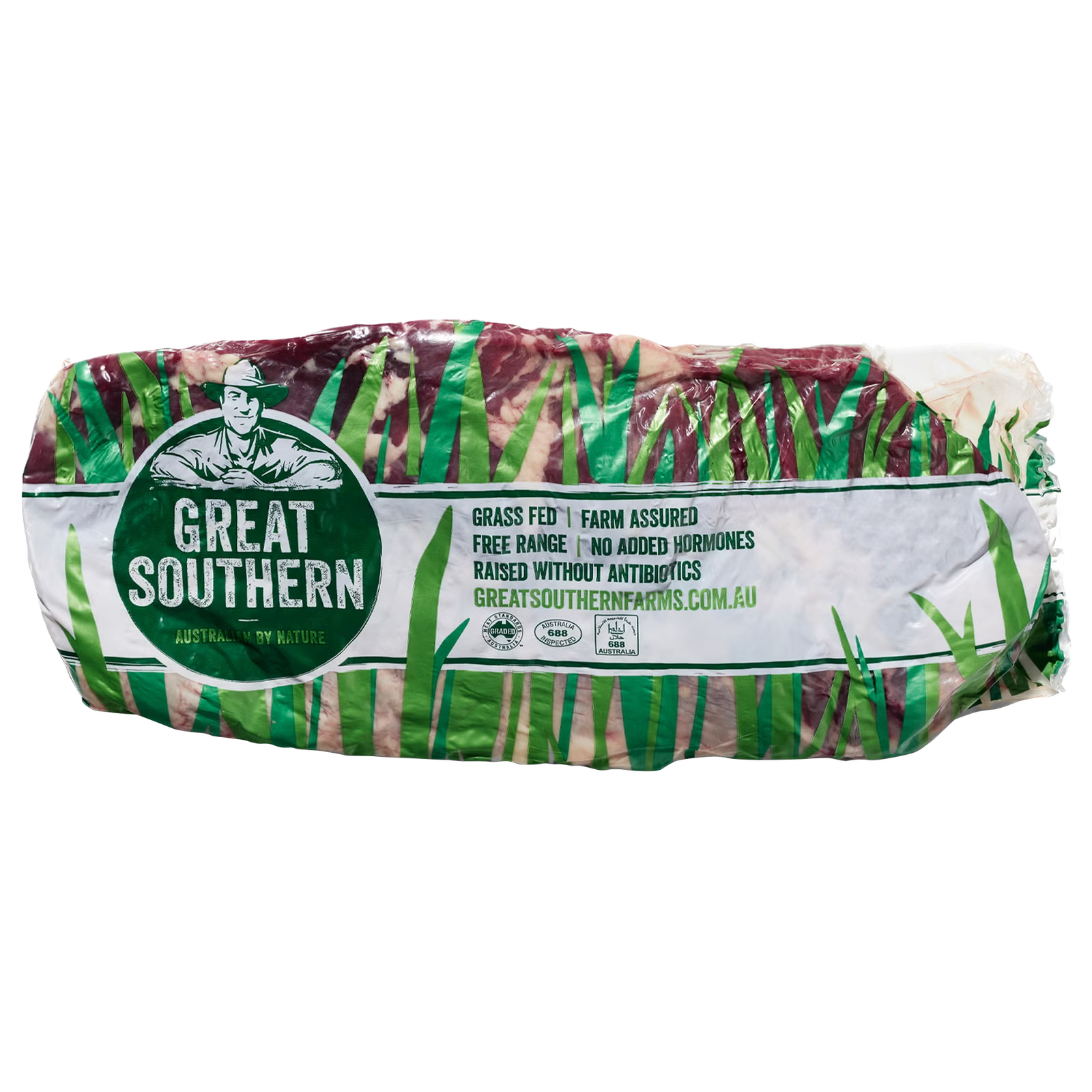
Great Southern
Halal Beef Flap Meat, 14 lb avg wt
- Feed
- 100% grass-fed
- Origin
- Australia
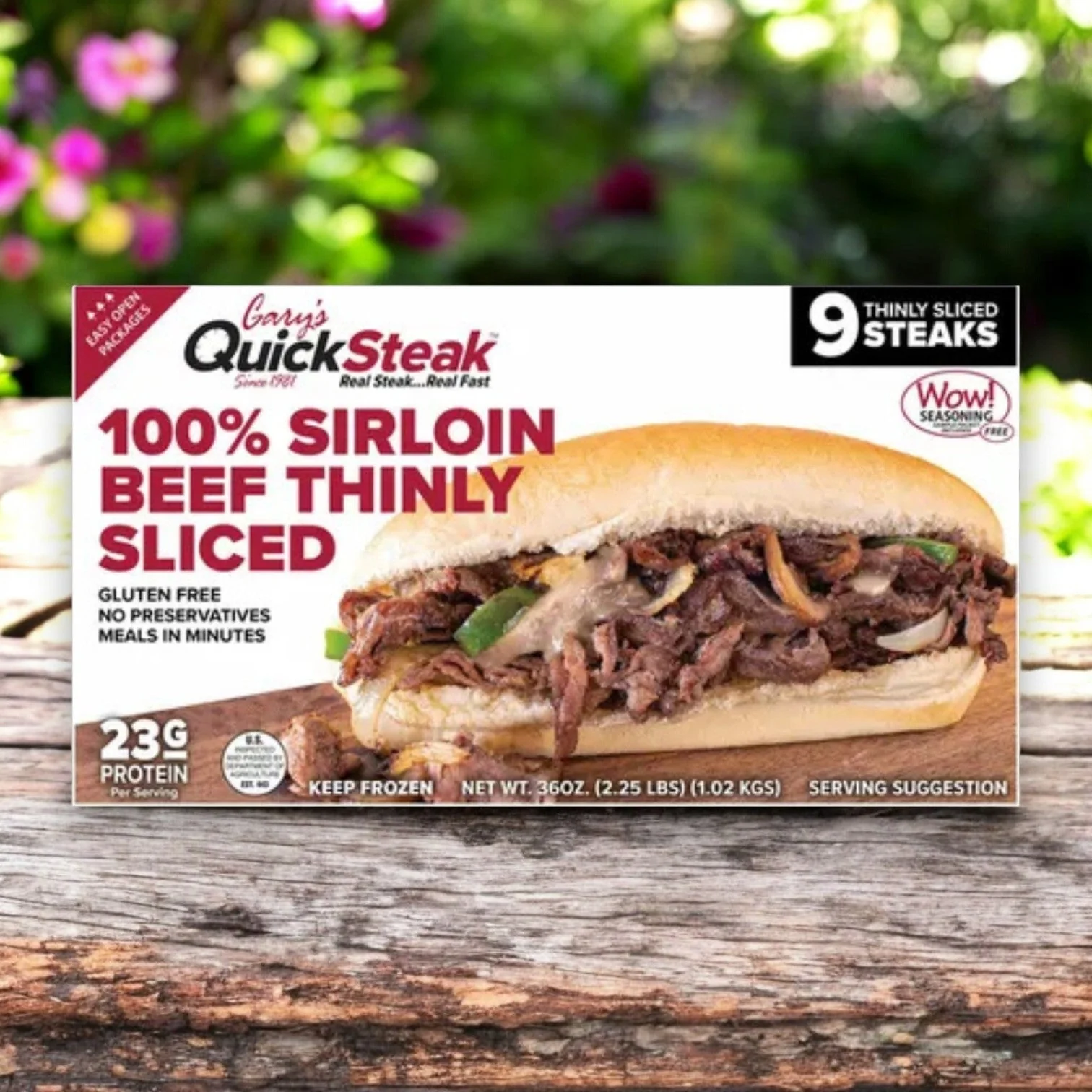
Gary’s Quick Steak
Gary's Quick Steak, 36 oz
- Likely grain-fed source cattle
- Likely grain-fed source cattle
- Processed in
- Omaha, Nebraska, United States
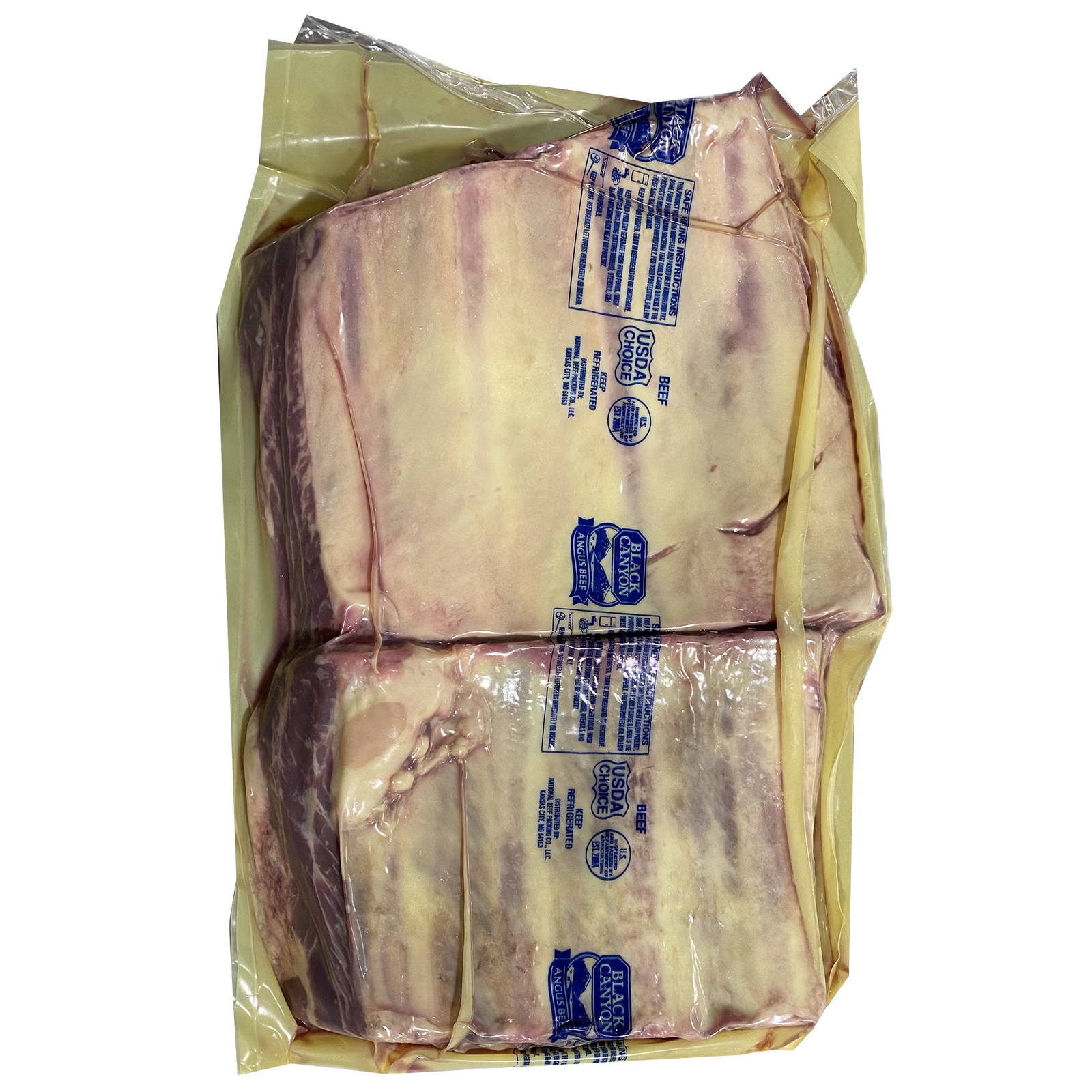
Black Canyon Angus Beef
USDA Choice Beef Short Ribs, 16 lb avg wt
- Feed
- Grain-finished
- Processed in
- Liberal, Kansas, United States