
Product images · Packaging may change
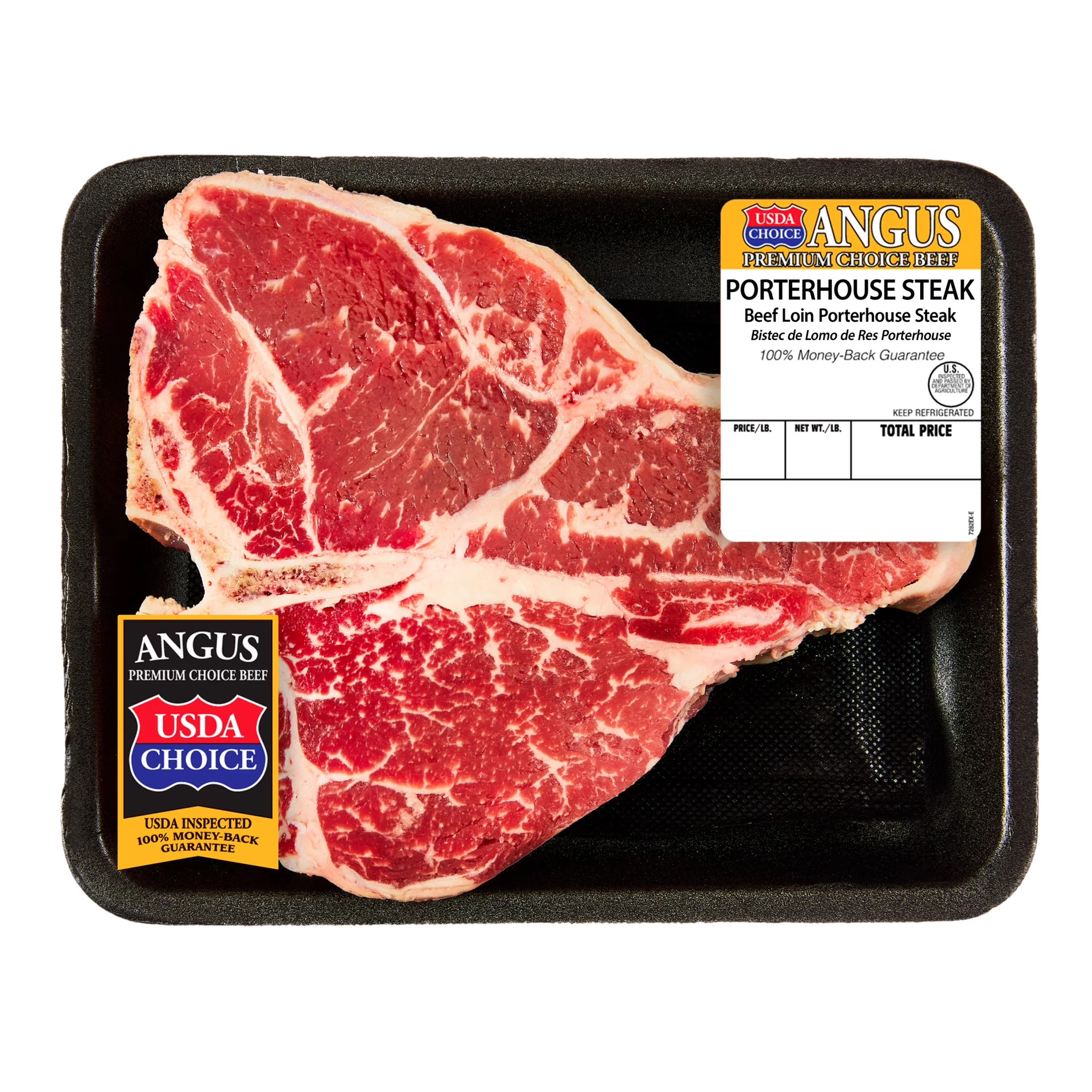
Porterhouse Steak, Choice Angus Beef, 1 Bone-In Steak per Tray, Fresh, 1.2 - 2.3 lb
USDA Choice Angus bone-in porterhouse steak, sold refrigerated.
Retailer antibiotic policy
Medical use permitted; ionophore exceptionLikely grain finished
Likely grain finishedA CLOSER LOOK
The food facts.
Negatives
Likely grain finishedMediocre
Likely grain finished. This conventional beef cut fits the usual North American grain-finishing model described by USDA. The product’s actual finishing ration is not disclosed.
More info
Mediocre
Likely grain finished. This conventional beef cut fits the usual North American grain-finishing model described by USDA. The product’s actual finishing ration is not disclosed.
This sourcing preference favors lifetime forage feeding. The product identity and conventional retail market support likely grain inclusion; an industry pattern is not a lot-level observation. No safety or residue conclusion follows.
Grain finishing supplies energy-dense feed for weight gain and marbling before slaughter. We would choose grass and forage for cattle. In beef comparisons, forage feeding generally produces more omega-3 fat and a lower omega-6 to omega-3 ratio.
Actual supplier, ration and grain proportion are unresolved.
Specialty production or a newer package claim could change this inference.
Sources
- USDA cattle production and trade · Cattle feeding; U.S. beef trade
Product information
Ingredients
Ingredients · Beef
Excellent
No added flavors or ingredients. This does not rule out processing aids used earlier.
Plain meat best fits our ingredient preference. A simple ingredient list cannot rule out processing aids used earlier.
The retailer describes the finished ingredients; the statement does not establish actual processing aids, product testing or every package version.
Ingredients describe what goes into the food. Processing treatments are covered separately.
A retailer description is not a current purchased package label or proof that processing aids were absent.
Certifications
Grade · USDA Choice
USDA Choice
How it's raised
Likely a pasture start
Likely pasture-raised early in life, before finishing.
Early-life grazing can coexist with grain or confined finishing; this finding does not establish lifelong pasture access, pasture finishing or an audited welfare outcome.
Actual birth herd and pasture duration are not identified.
Dairy-derived cattle or a different supplier system could change this inference.
Sources
- USDA cattle production · Cow-calf and stocker production
Retailer welfare requirements · Supplier welfare programme and audit requests
Walmart asks fresh and frozen whole-muscle beef suppliers to follow Beef Quality Assurance or equivalent welfare programmes, with third-party audits or sampled oversight of supplier audits. These are retailer requests, not this herd’s audit result.
Whole-muscle supplier welfare requests explain the retailer programme without asserting herd compliance, pain-control methods or measured welfare outcomes.
Retained retailer artwork is not a received-lot inspection.
Antibiotics & hormones
Retailer antibiotic policy · Medical use permitted; ionophore exception
Veterinary antibiotic care is permitted. The retailer asks suppliers to end growth-promotion use, except ionophores, and report antibiotic use annually. This is a retailer policy, not an animal treatment record.
Medical treatment/control/prevention is permitted under responsible-use expectations. The explicit ionophore exception means this is not a universal growth-antibiotic or never-use exclusion. Permission is not proof of use.
Actual treatment, individual medicines, diversion and residues remain unassigned.
Supplier requests and annual reporting expectations do not establish every supplier’s compliance or this animal’s treatment.
Sources
- Walmart and Sam’s Club antibiotic supplier position · Antibiotics in Farm Animals Position; supplier requests and footnote5
Processing
Cut and handling · Bone-in porterhouse, 1¼-inch cut, refrigerated tray
One bone-in porterhouse steak, described as 1¼ inches thick, in a tray marked keep refrigerated. The artwork does not establish freezing history.
Actual cut and storage presentation, retaining material version and evidence limits; no new grade or all-lot practice assigned.
Retained retailer artwork is not a received-lot inspection.
Related businesses
An unknown answer does not mean “none.” Check your package for current details.
KEEP EXPLORING
Also in the meat aisle
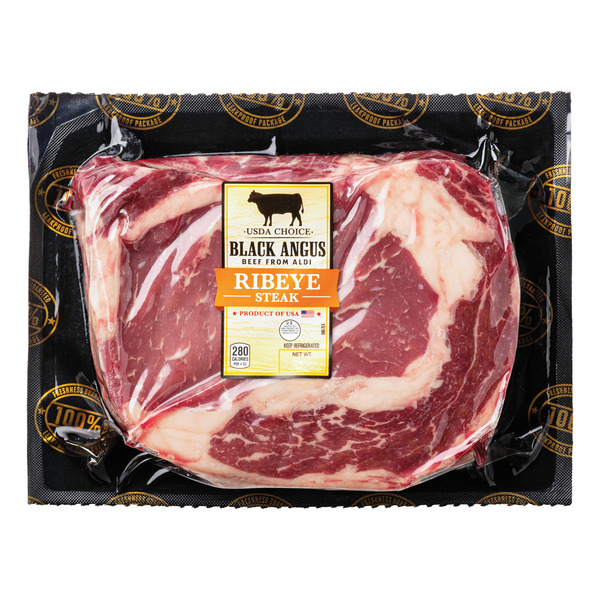
USDA Choice Black Angus Ribeye Steak
- Likely grain finished
- Likely grain finished
- Origin
- United States
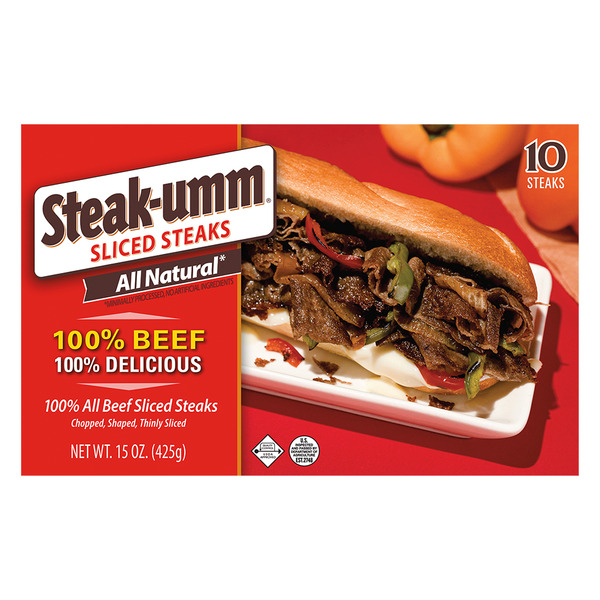
Steak-umm
Steak-umm 100% Beef Sliced Steaks, 10 Steaks, 15 oz
- Feed
- Not specified
- Origin
- Not specified
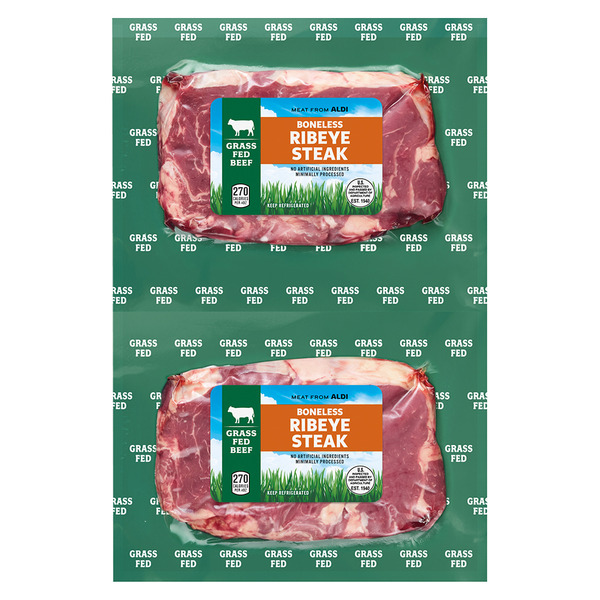
Grass-Fed Boneless Ribeye Steak
- 100% grass-fed
- 100% grass-fed
- Origin
- United States